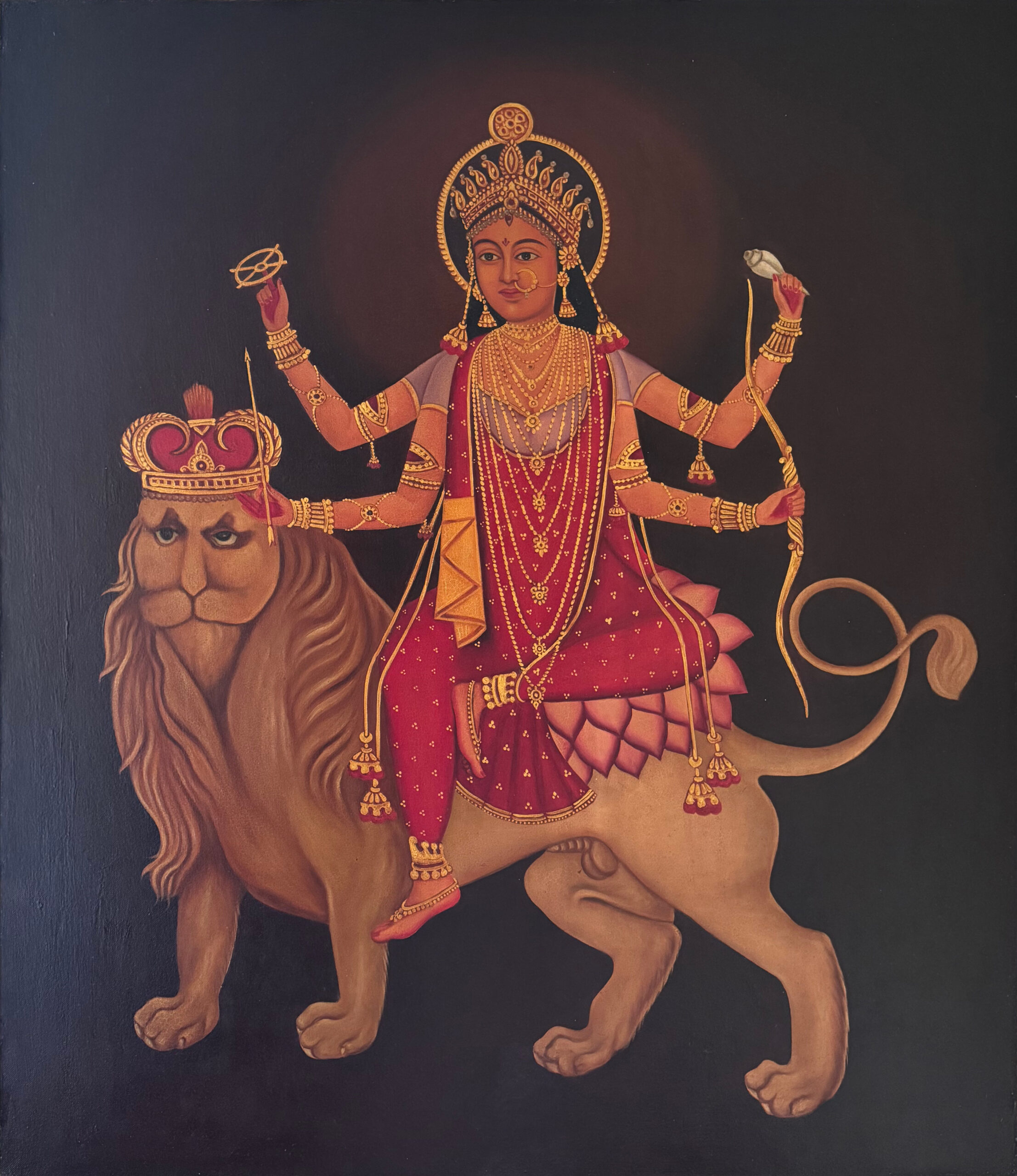
Art movements often emerge when artists begin questioning established ways of seeing the world. During the late nineteenth and twentieth centuries, many painters and sculptors began a gradual departure from strict academic traditions. In their place, new approaches emerged, ones that prioritized emotion, abstraction, and personal expression over literal representation.
Modern and contemporary art movements developed through this restless spirit of experimentation. Each shift reflected a specific cultural moment, shaped by rapid social change, political upheaval, and evolving philosophical ideas.
The foundations of modern art were laid when artists began to privilege individual perception over objective reality. Impressionist painters in Europe started capturing fleeting moments of light and atmosphere rather than carefully staged historical scenes.
While this change may seem subtle today, it opened the door to unprecedented artistic freedom. Painters were no longer bound by the rigid expectation of “perfect” representation. Instead, personal observation became a valid, and eventually vital, starting point for art. Gradually, the focus shifted from depicting the world exactly as it appeared to interpreting it through the filters of feeling and imagination.
During the early twentieth century, several movements expanded this exploration. Expressionist artists used bold, non-naturalistic colors and distorted forms to convey raw emotional intensity. Cubists broke objects into geometric fragments, presenting multiple viewpoints within a single static image to reflect the fractured nature of modern life.
In this era, painting began to function less as a window into a scene and more as a site for experimentation. Form, color, and composition became tools to explore the mechanics of perception itself. These radical ideas shaped the broader trajectory of modernism, proving that art did not need a recognizable subject to be meaningful.
By the middle of the twentieth century, many artists turned fully toward abstraction. Rather than representing recognizable subjects, they explored the intrinsic relationships between shape, color, and surface.
Abstraction allowed artists to focus on the internal logic of the artwork. Paintings and sculptures became autonomous spaces where visual language could exist independently of a narrative or a “story.” For some, this approach produced quiet, meditative compositions; for others, it unleashed bold, aggressive, and highly physical gestures on the canvas.
Modern artistic thinking also developed vibrantly within India as artists navigated the intersection of local traditions and global movements. Rather than simply adopting Western styles, many Indian artists reinterpreted modern concepts through their own cultural and political experiences.
This period saw a surge of experimentation with indigenous materials, local subjects, and new ways of structuring visual form. Their work contributed to a modern language that felt international in its sophistication yet remained deeply rooted in Indian realities.
Ramkinkar Baij introduced an expressive vitality into Indian sculpture and painting. His works captured the movement and pulse of everyday life, particularly within rural environments. By working with unconventional materials like cement and laterite, and playing with monumental scales, Baij gave his sculptures a rugged, physical presence that broke away from classical grace.
Somnath Hore approached art through a deeply humanistic lens. His prints and sculptures responded to social struggle and historical trauma, most notably the Bengal Famine. Through a restrained, almost skeletal visual language, he revealed how art can respond to collective memory. Works such as his “Wounds” series—featuring paper pulp prints with scarred, visceral textures—reflect a profound sense of both human fragility and resilience.
As the twentieth century progressed, artists moved beyond the traditional categories of painting and sculpture. Photography, installation, video, and mixed media became essential tools for expression.
Contemporary art grew from this expanded definition of practice. Artists today often prioritize ideas over medium, using materials that reflect the complexities of the present. In many cases, the artwork is no longer a finished “object” to be admired, but part of a wider, ongoing conversation about culture, identity, and the environment.
Contemporary practitioners continue to build upon these earlier foundations while forging new paths. Artists like Zarina approached art through quiet, minimalist reflections on home, geometry, and the pain of displacement. In contrast, Bharti Kher engages with mythology and identity, often using the bindi as a repetitive motif to explore the complexities of the domestic and the divine. These varied practices demonstrate that contemporary art is not a single movement, but a pluralistic landscape of voices.
Ultimately, modern and contemporary art movements are best understood as an ongoing dialogue across time. Each generation of artists inherits the questions of their predecessors, only to answer them with new perspectives and tools. This evolution reminds us that art is never static; it is a living reflection of the human condition.
As we move further into the twenty-first century, the boundaries between the digital and the physical, the personal and the political, continue to blur. Yet, the core impulse remains the same: the desire to translate the complexity of existence into a form that others can see, feel, and question. By studying these movements, we don’t just learn about history—we learn how to look at our own world with a more curious and critical eye.
April 27, 2026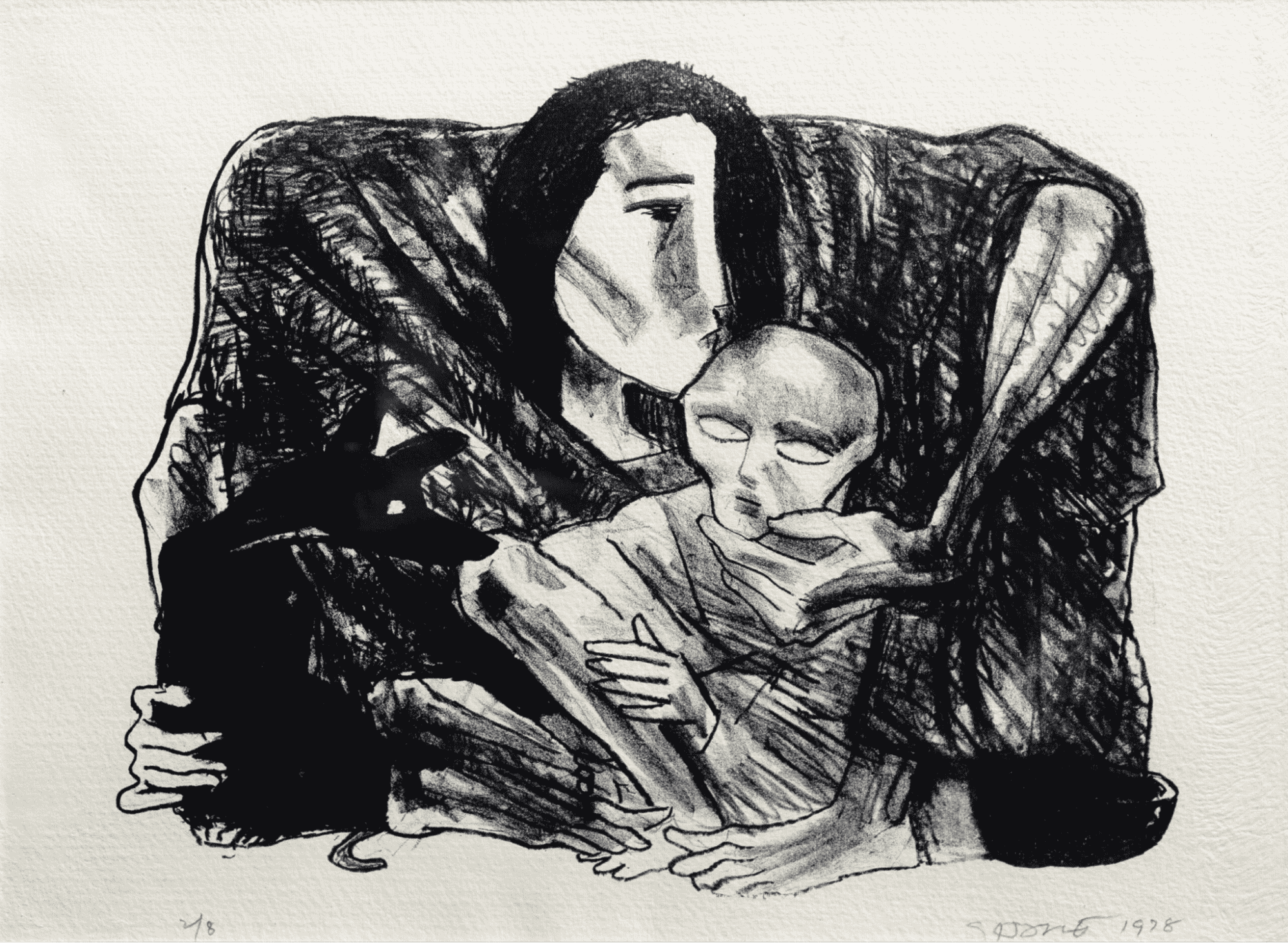
“Art washes from the soul the dust of everyday life.” – Pablo Picasso The wonder of experiencing and engaging with art can feel elusive, even exclusionary. Many imagine it as belonging only to the realm of the select few “in the know,” fluent in the language of art. For […]
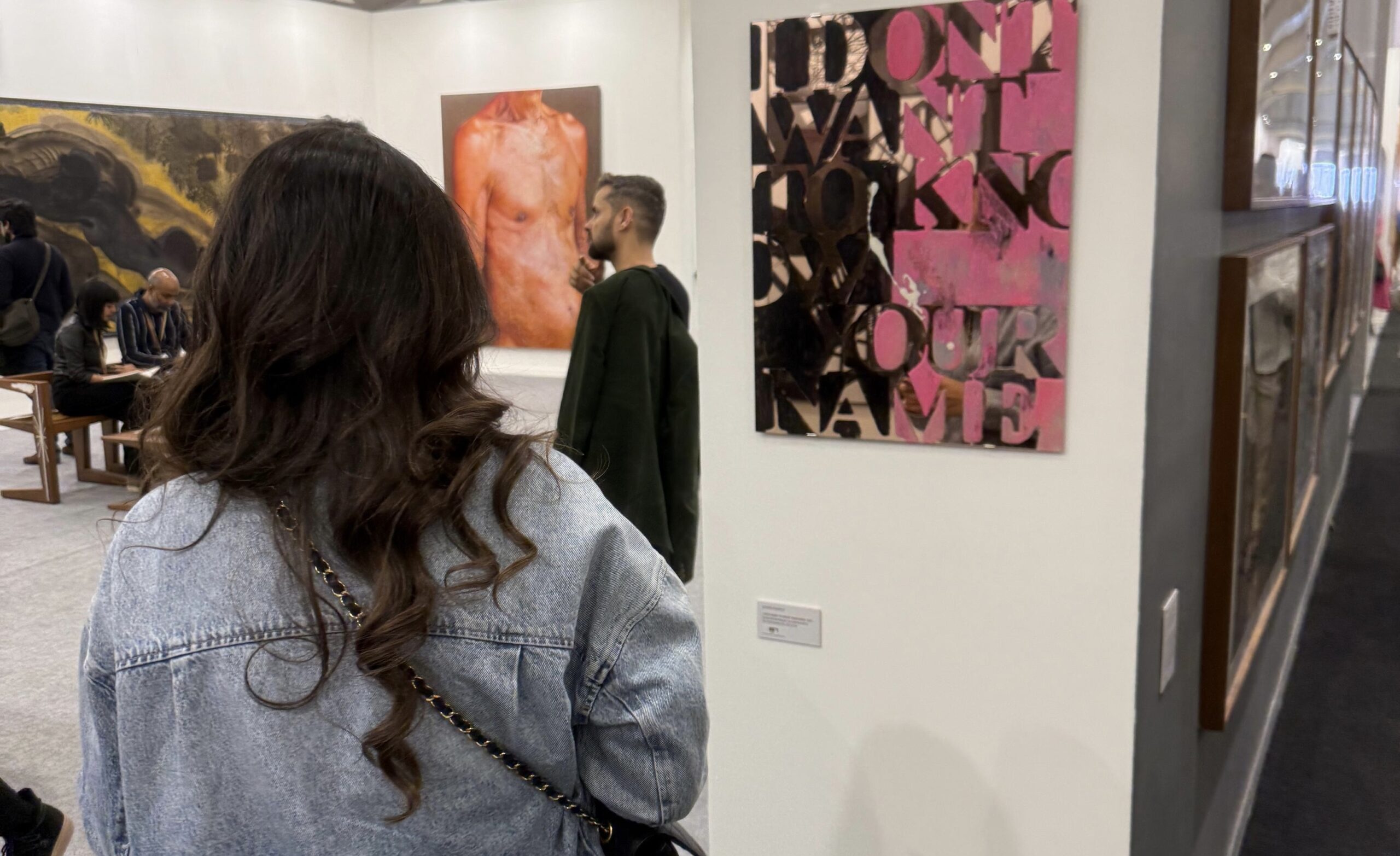
Navigating the art world can be daunting. Prices aren’t always transparent, authenticity can be difficult to confirm, and opportunities often circulate in exclusive circles. For both seasoned collectors and first-time buyers, one question often arises: how do I make the right choices with confidence? This is where an art advisory […]
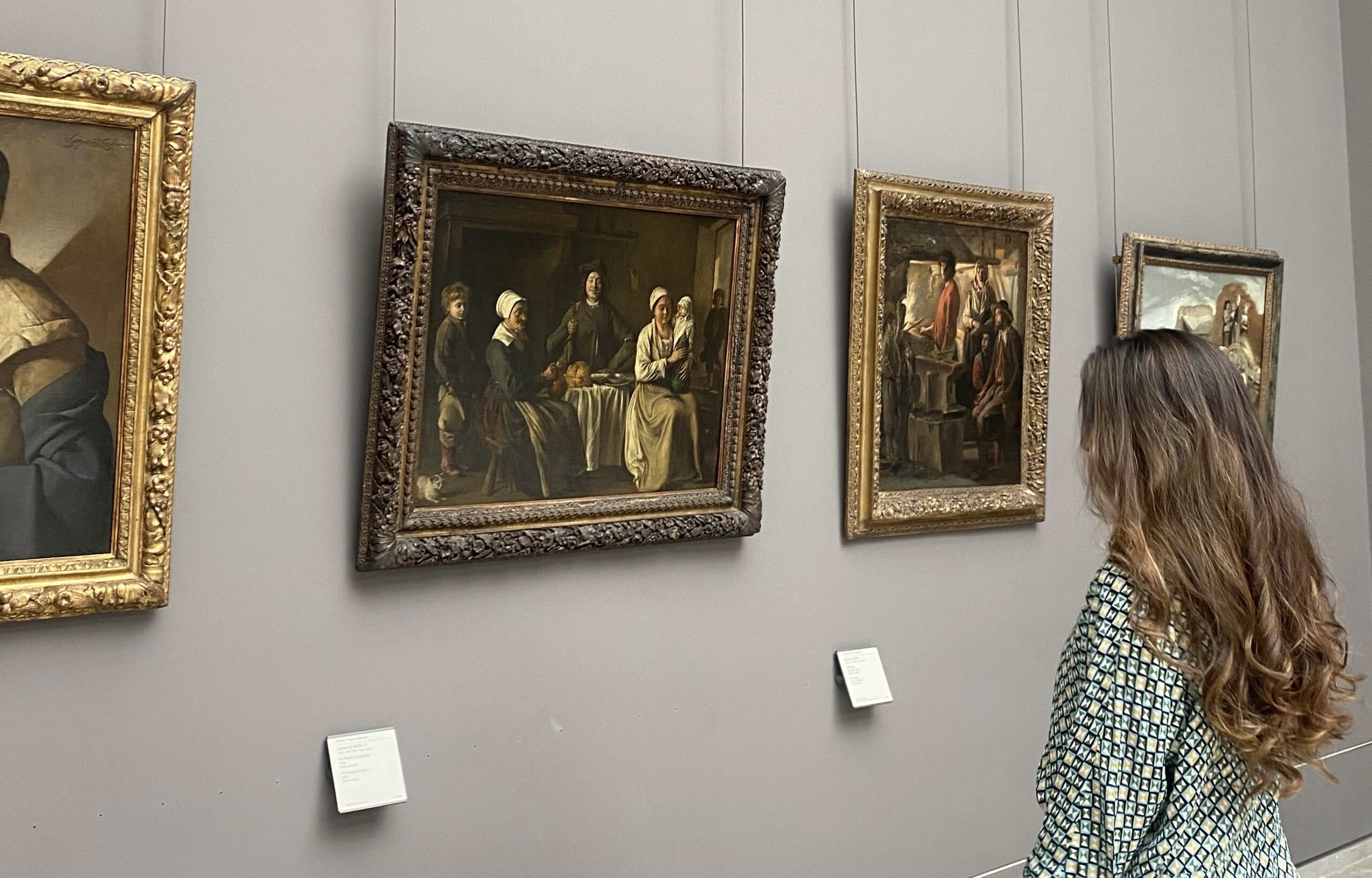
Buying art is an experience that blends passion, curiosity, and investment. For some collectors, it’s about building a meaningful connection with a work that inspires and resonates. For others, it’s about adding a valuable asset to their portfolio that they may appreciate over time. Whatever your motivation, one fact remains […]