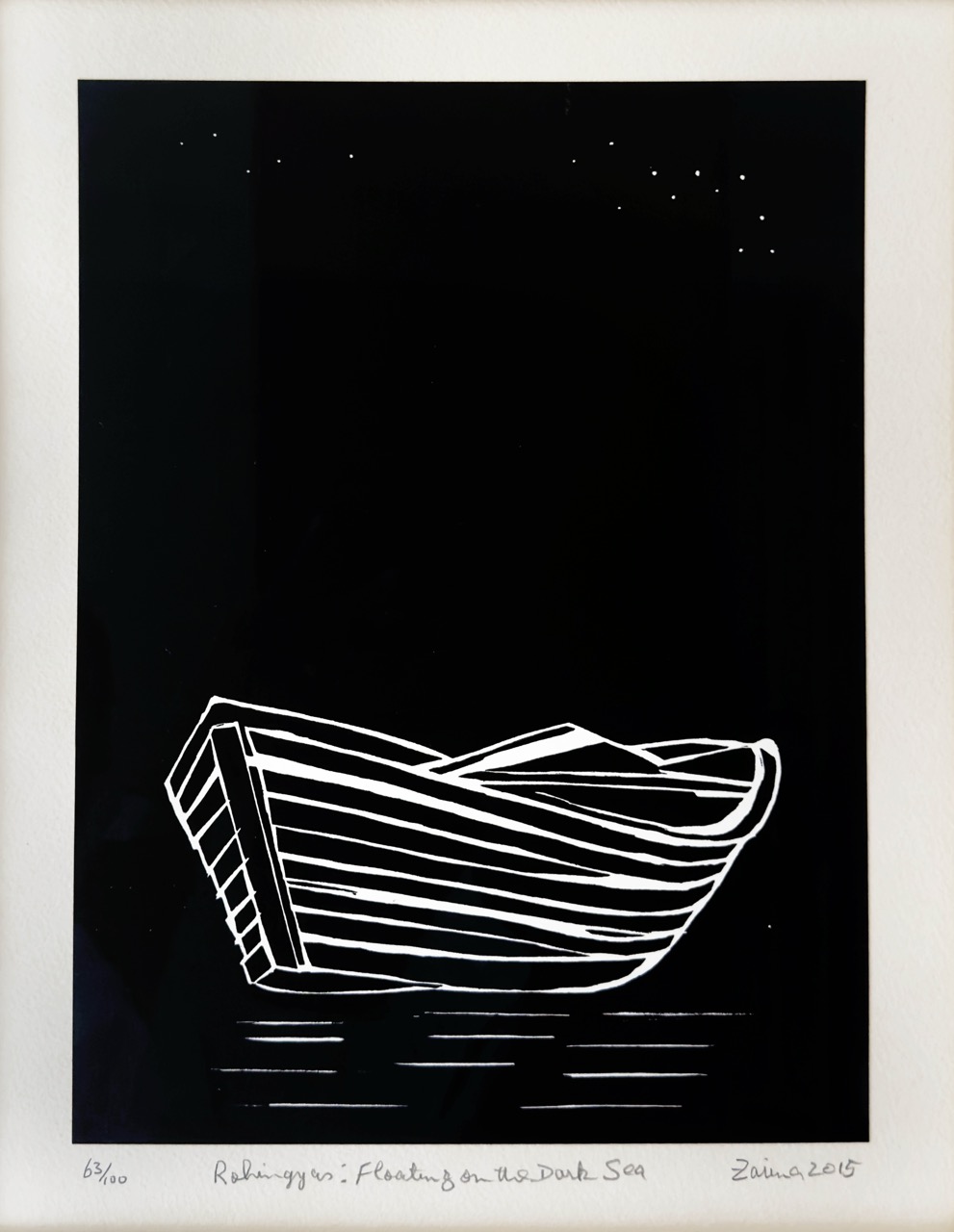
An art collection rarely takes shape all at once. It develops gradually through a blend of curiosity, instinct, and careful observation. Some collections begin with a single work that sparks an unexpected, lasting connection. Others emerge slowly, forged through years of sustained engagement with artists, materials, and complex ideas. Over time the collection becomes more than a group of objects and slowly, it begins to reflect a way of seeing.
Most collections begin through a deeply personal response rather than a calculated financial strategy. A particular painting, print or sculptural form may capture attention entirely because of its mood, its material, or a sudden emotional resonance.
As collectors spend more time with art, patterns gradually begin to emerge. Certain themes, mediums or artistic practices create stronger connections than others. These early decisions often shape the direction of the collection in subtle ways. At this stage, collecting is less about building value and more about developing visual understanding.
A thoughtful collection grows through close observation. Over time, collectors train their eyes to notice differences in surface, scale, texture, and artistic language. The physical experience of viewing art shifts from a passing glance to a state of sustained, attentive focus.
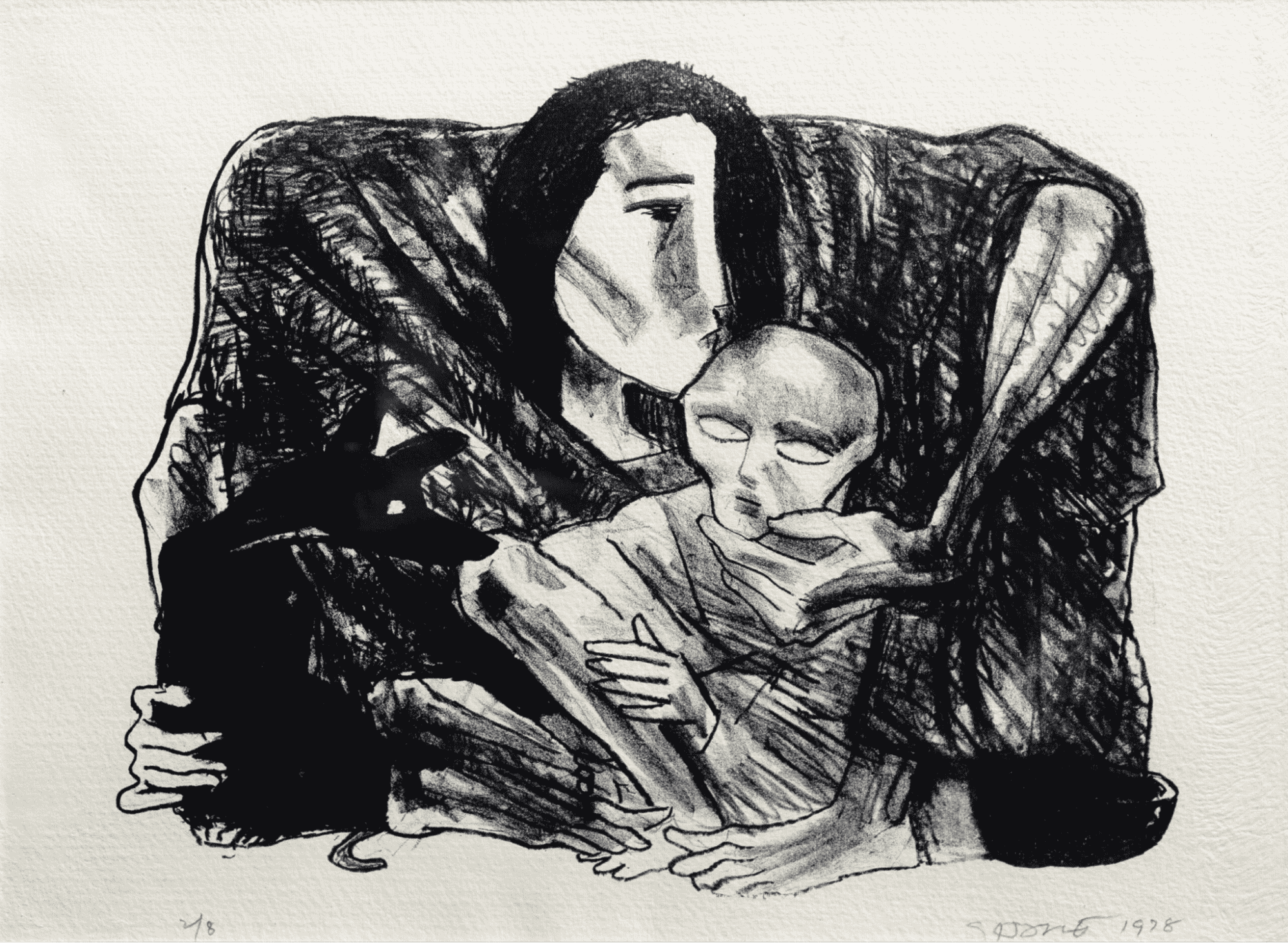
Works by Somnath Hore reveal this especially well. His paper pulp prints and sculptural forms carry a physical fragility that becomes more visible through repeated viewing. The surface itself begins to communicate emotion. Experiences like these often influence collecting decisions more naturally than market trends.
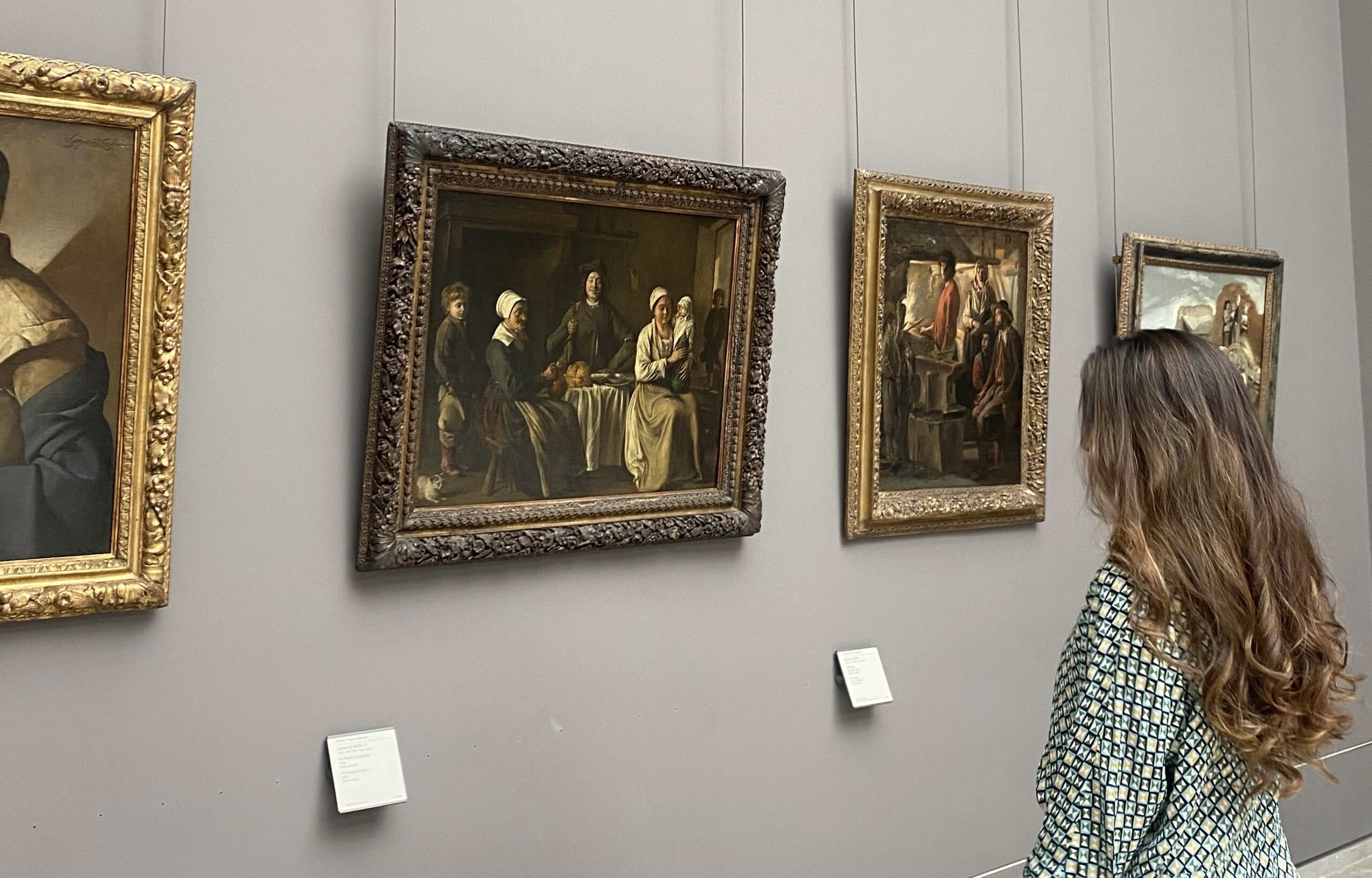
As a collection matures, context becomes increasingly vital. An artwork’s exhibition history, its documented provenance, and the socio-political period in which it was created all dramatically shape how the piece is understood.
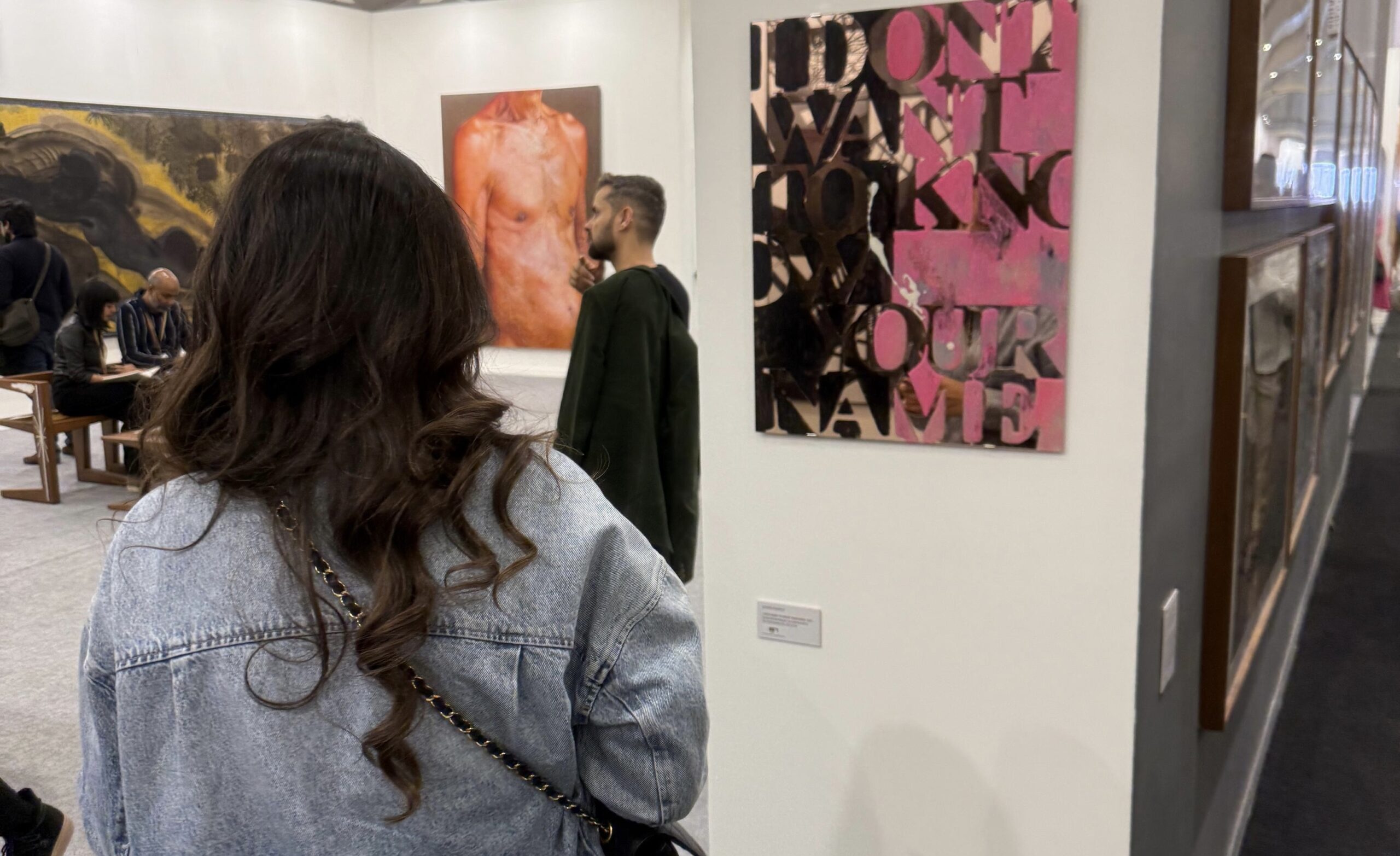
Simultaneously, collectors begin recognizing the spatial and thematic relationships between their acquisitions. A highly restrained, minimalist print may be placed beside a wildly expressive, colorful painting, creating a dynamic visual balance through stark contrast rather than similarity. Gradually, as these visual conversations develop between the pieces, the collection establishes its own internal rhythm.
An artwork fundamentally changes the moment it enters a living space. Light, architecture and daily movement influence how the work is experienced. Some pieces become warmly familiar while others continue revealing new details over time.
Collectors often rearrange works as their relationship with the collection evolves. A sculpture may move from a private study into a larger room. A drawing once overlooked may begin attracting attention years later. The collection therefore, remains active rather than fixed.
Preserving art requires patience and awareness. Paintings, paper works and sculptures all respond differently to light, humidity and handling. Even subtle environmental shifts can affect delicate surfaces over time.
However, conservation is not merely a matter of technical care or climate control. It is also a way of respecting the material life of the artwork. Investing in careful, archival framing, controlled UV lighting, and proper climate storage allows works to retain their integrity across generations.
This stage of collecting often deepens appreciation for craftsmanship and material detail.
As years pass, an art collection begins reflecting moments of thought, memory and changing perspective. Certain works become connected to places, conversations or periods of life.
The collection develops quietly through these associations. Rather than functioning solely as an assertion of ownership or wealth, it becomes a personal archive shaped by lived experience and sustained engagement with art.
No collection is ever entirely complete. Interests shift, new discoveries emerge and older works reveal different meanings with time. The relationship between collector and artwork continues evolving through familiarity and attention.
June 1, 2026
“Art washes from the soul the dust of everyday life.” – Pablo Picasso The wonder of experiencing and engaging with art can feel elusive, even exclusionary. Many imagine it as belonging only to the realm of the select few “in the know,” fluent in the language of art. For […]
Navigating the art world can be daunting. Prices aren’t always transparent, authenticity can be difficult to confirm, and opportunities often circulate in exclusive circles. For both seasoned collectors and first-time buyers, one question often arises: how do I make the right choices with confidence? This is where an art advisory […]
Buying art is an experience that blends passion, curiosity, and investment. For some collectors, it’s about building a meaningful connection with a work that inspires and resonates. For others, it’s about adding a valuable asset to their portfolio that they may appreciate over time. Whatever your motivation, one fact remains […]