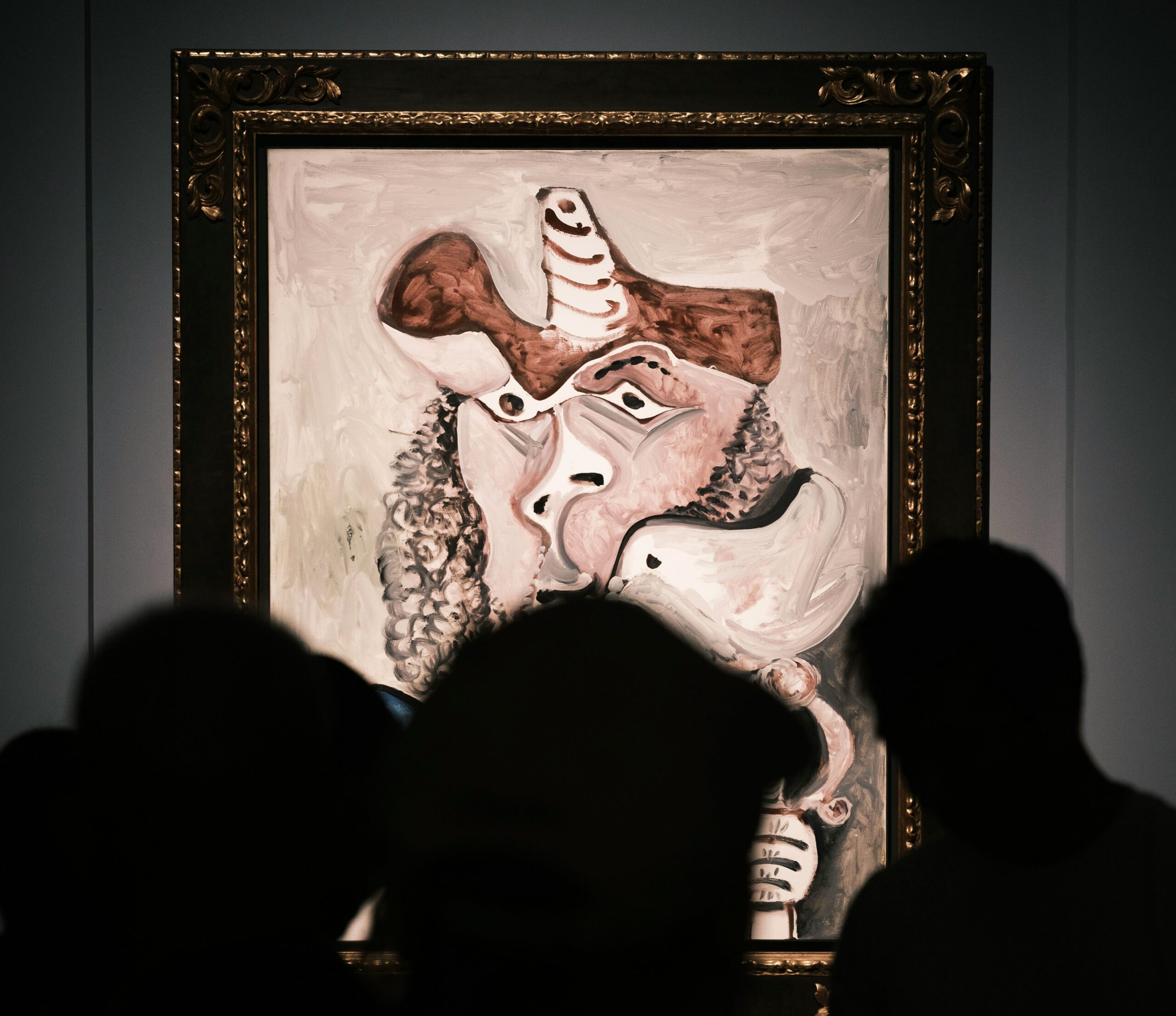
Collectors often encounter two distinct paths when acquiring art. One unfolds publicly through auctions, where bidding creates urgency and visibility. The other develops behind closed doors through private conversations shaped by discretion, exhaustive research, and deliberate decision-making.
Both approaches influence not only how artworks are acquired but also how collectors experience the art market itself. As a collection grows, understanding the strategic advantages, financial nuances, and emotional toll of these two avenues becomes essential.
Art auctions carry a highly charged atmosphere. Works appear within a fiercely competitive setting where buyer interest becomes visible in real time. Bidding can escalate in a matter of seconds, particularly when rare masterpieces, estate liquidations, or historically significant artists enter the room.
For many collectors, auctions provide an invaluable, unvarnished look into the movement of the art market. Pre-sale estimates, competitive bidding patterns, and final hammer prices all contribute to a public record of an artist’s current valuation. Beyond the data, the sheer thrill of winning a coveted piece against rival collectors is a psychological factor entirely unique to the auction floor.
However, buyers must also navigate strict financial realities. Winning bids are subject to a “buyer’s premium” – an additional percentage charged by the auction house on top of the hammer price – which can significantly increase the final cost of the acquisition.
At the same time, auctions rarely allow prolonged reflection. Decisions often must be made within minutes or even seconds, leaving little space for slower engagement with the artwork or second-guessing once the paddle is raised.
Private sales operate to an entirely different rhythm. These transactions generally take place discreetly between collectors, art advisors, galleries, and private dealers. In recent years, major auction houses have also expanded their private sales divisions to cater to this growing demand.
The slower pace allows for far greater attention to the artwork’s context, physical condition, and long-term suitability within a specific collection. Collectors may spend days or weeks viewing the work, researching its provenance, and considering how it relates to their existing acquisitions.
Unlike the open-ended escalation of an auction, private sales usually begin with a set asking price. This allows ample room for private negotiation and completely removes the risk of getting caught up in an emotional bidding war. Furthermore, both buyers and sellers often prefer private sales to ensure absolute discretion, keeping their financial dealings and collection shifts out of the public eye. For many collectors, this bespoke environment creates a deeper sense of certainty and intimacy before a major acquisition is finalized.
When comparing the two avenues directly, the contrasts become sharply defined. Auctions demand immediate, urgent decisions and subject buyers to uncapped pricing, public visibility, and additional premiums. At the same time, they serve as the ultimate engine for setting public market benchmarks.
Conversely, private sales offer slow, deliberate reflection. They center around fixed, negotiable asking prices where fees are usually baked into the final number. Rather than generating public hype, these confidential transactions reflect private market consensus and operate entirely under the radar.
Certain artworks appear more frequently within one system than the other, usually driven by the seller’s primary motivation.
Rare, highly sought-after modern works or fresh-to-market estate pieces are often sent to auction because public visibility and competition can drive the price far beyond expectations. Conversely, a seller who wishes to quietly offload a piece without signaling financial distress or a gallery protecting an artist’s primary market prices will opt for the private route where discretion matters just as much as the final sum.
The method of acquisition, therefore, inherently influences the narrative of the artwork and the relationship the collector develops with it.
Whether acquiring a piece under the auctioneer’s gavel or over coffee in a private viewing room, meticulous research remains the great equalizer. Collectors often spend years understanding an artist’s practice, exhibition history, and overarching body of work before committing to a significant purchase.
Essential pre-acquisition steps remain identical across both spaces. Buyers must prioritize reviewing condition reports to ensure the physical integrity of the work and to understand any past restorations. Equally critical is verifying provenance by tracing the chain of ownership to guarantee authenticity and legal title. Finally, collectors should focus on assessing fair market value, consulting historical data to ensure the price – whether estimated by an auction house or asked by a private dealer – aligns with reality.
Patience ultimately becomes the collector’s most valuable asset. Not every available work naturally belongs within a specific collection, even when market hype is deafening. Experienced collectors wait for pieces that create a lasting resonance, refusing to respond solely to urgency or visibility. In the end, master-level collecting is shaped just as much by the restraint of knowing when to walk away as it is by the thrill of the acquisition.
May 22, 2026
“Art washes from the soul the dust of everyday life.” – Pablo Picasso The wonder of experiencing and engaging with art can feel elusive, even exclusionary. Many imagine it as belonging only to the realm of the select few “in the know,” fluent in the language of art. For […]
Navigating the art world can be daunting. Prices aren’t always transparent, authenticity can be difficult to confirm, and opportunities often circulate in exclusive circles. For both seasoned collectors and first-time buyers, one question often arises: how do I make the right choices with confidence? This is where an art advisory […]
Buying art is an experience that blends passion, curiosity, and investment. For some collectors, it’s about building a meaningful connection with a work that inspires and resonates. For others, it’s about adding a valuable asset to their portfolio that they may appreciate over time. Whatever your motivation, one fact remains […]