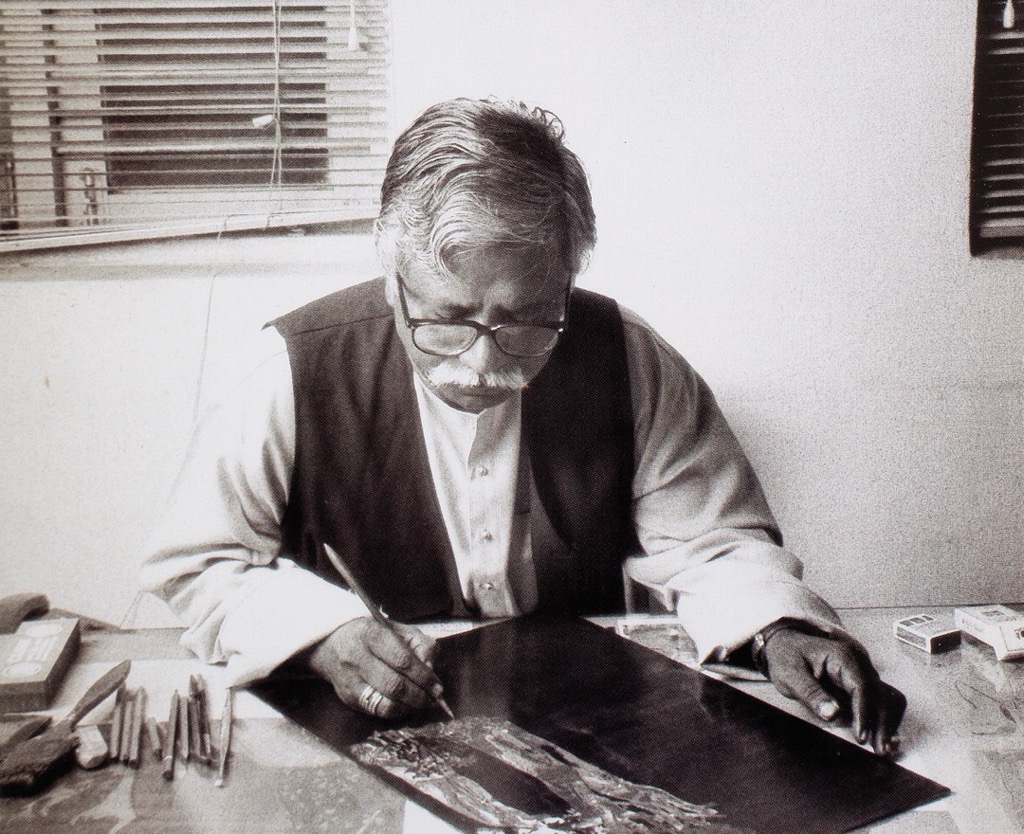
The landscape of Indian art is a rich palimpsest, where the radical experiments of the early Modernists continue to inform the conceptual depth of Contemporary practitioners. This evolution is not a series of breaks, but a vibrant dialogue – a process of questioning identity, memory, and social reality. By examining a mix of Modern masters and Contemporary icons, we can see how the Indian artistic language has moved from the studio and the village square into a global conversation.
Somnath Hore remains a powerful voice in Indian art through his deeply human approach to visual expression. His prints, drawings and sculptural forms reflect experiences of famine, conflict and social struggle. Hore’s restrained style carries strong emotional weight while maintaining quiet dignity. His work demonstrates how art can respond to history with sensitivity and depth.
Ramkinkar Baij introduced an expressive and experimental spirit to Indian sculpture and painting. His works often captured the movement and vitality of everyday life. Baij worked with unconventional materials and bold forms, expanding the possibilities of artistic expression within Indian art.
Krishna Reddy is widely respected for transforming the language of printmaking. His technical experiments with colour and surface opened new possibilities for the medium. Through both practice and teaching, Reddy played a significant role in connecting Indian artists with global printmaking traditions.
K Laxma Goud developed a visual language inspired by rural life, folklore and human relationships. His paintings and prints reflect intimate observations of everyday experiences. Through careful line and composition, Goud created works that feel personal yet universal.
Zarina’s work explores ideas of home, memory and displacement through prints and drawings marked by clarity and restraint. Her compositions often use simple forms and delicate surfaces to communicate complex emotional narratives. Through this quiet visual language, Zarina reflects on belonging and identity.
Bharti Kher represents an important voice within contemporary Indian art today. Her work often engages with identity, mythology and the layered realities of modern life. Through sculpture, painting and mixed materials, Kher examines how personal and cultural narratives intersect. Her practice reflects the expanding global presence of Indian contemporary artists.
The progression from the earthy, monumental sculptures of Ramkinkar Baij to the complex, conceptual installations of Bharti Kher illustrates the immense breadth of Indian artistic thought. These artists do not exist in isolation; they are part of a continuing dialogue that spans over a century. The Modernists provided the tools of experimentation and the courage to look inward, while Contemporary artists have expanded those tools to address the complexities of a digital and globalized world.
Ultimately, the power of Indian art lies in its ability to remain “rooted yet restless.” It is an art that respects the weight of history—the scars of the famine in Somnath Hore’s bronzes or the geometry of a lost home in Zarina’s prints—while constantly pushing toward new frontiers of form and medium.
As we look at these varied practices, we see a collective effort to define what it means to be an artist in an ever-changing India. This journey is far from over. Each new generation inherits these legacies, ensuring that the story of Indian art remains a living, breathing reflection of the human spirit—one that continues to challenge, provoke, and inspire.
May 7, 2026
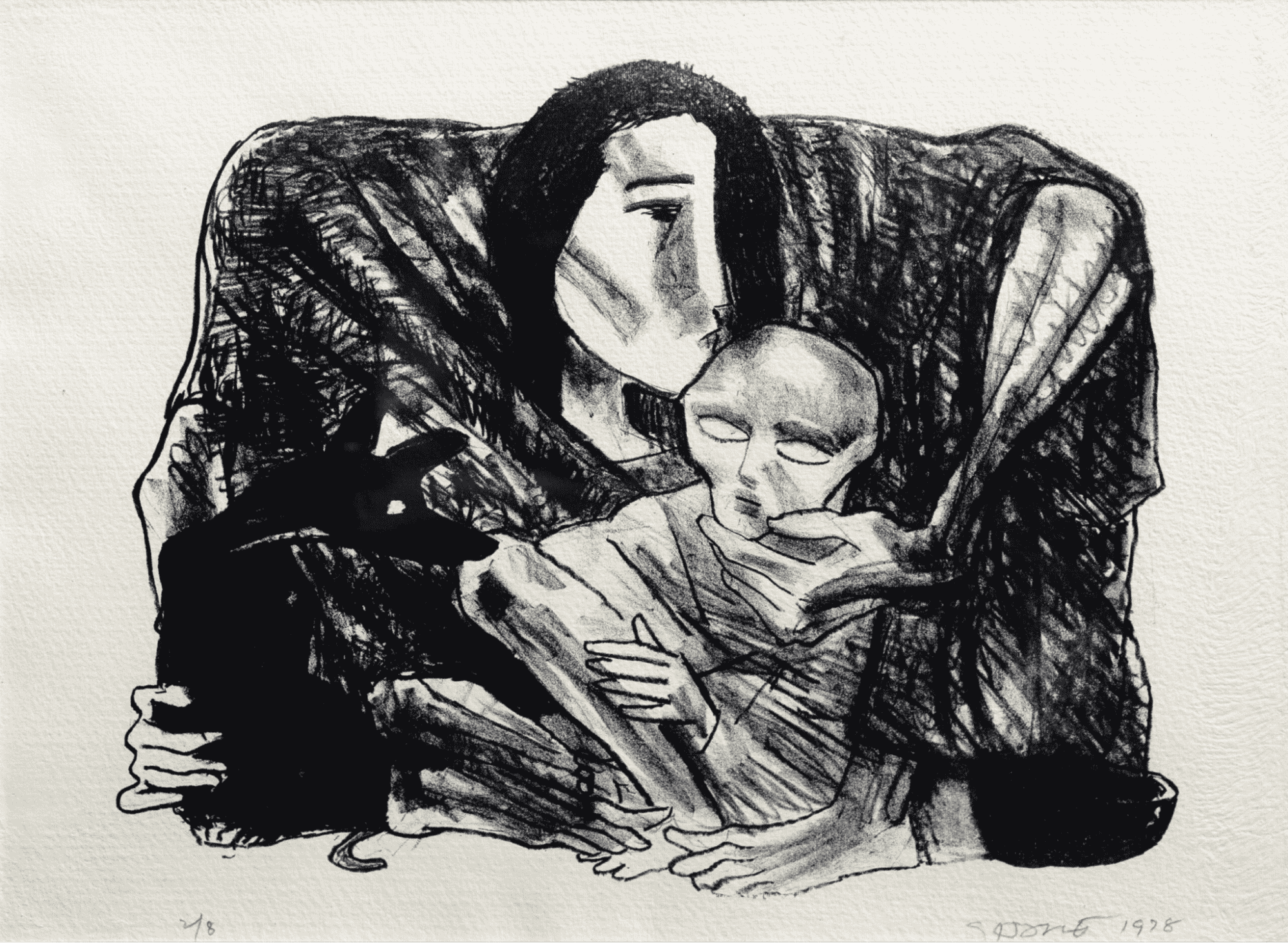
“Art washes from the soul the dust of everyday life.” – Pablo Picasso The wonder of experiencing and engaging with art can feel elusive, even exclusionary. Many imagine it as belonging only to the realm of the select few “in the know,” fluent in the language of art. For […]
Navigating the art world can be daunting. Prices aren’t always transparent, authenticity can be difficult to confirm, and opportunities often circulate in exclusive circles. For both seasoned collectors and first-time buyers, one question often arises: how do I make the right choices with confidence? This is where an art advisory […]
Buying art is an experience that blends passion, curiosity, and investment. For some collectors, it’s about building a meaningful connection with a work that inspires and resonates. For others, it’s about adding a valuable asset to their portfolio that they may appreciate over time. Whatever your motivation, one fact remains […]