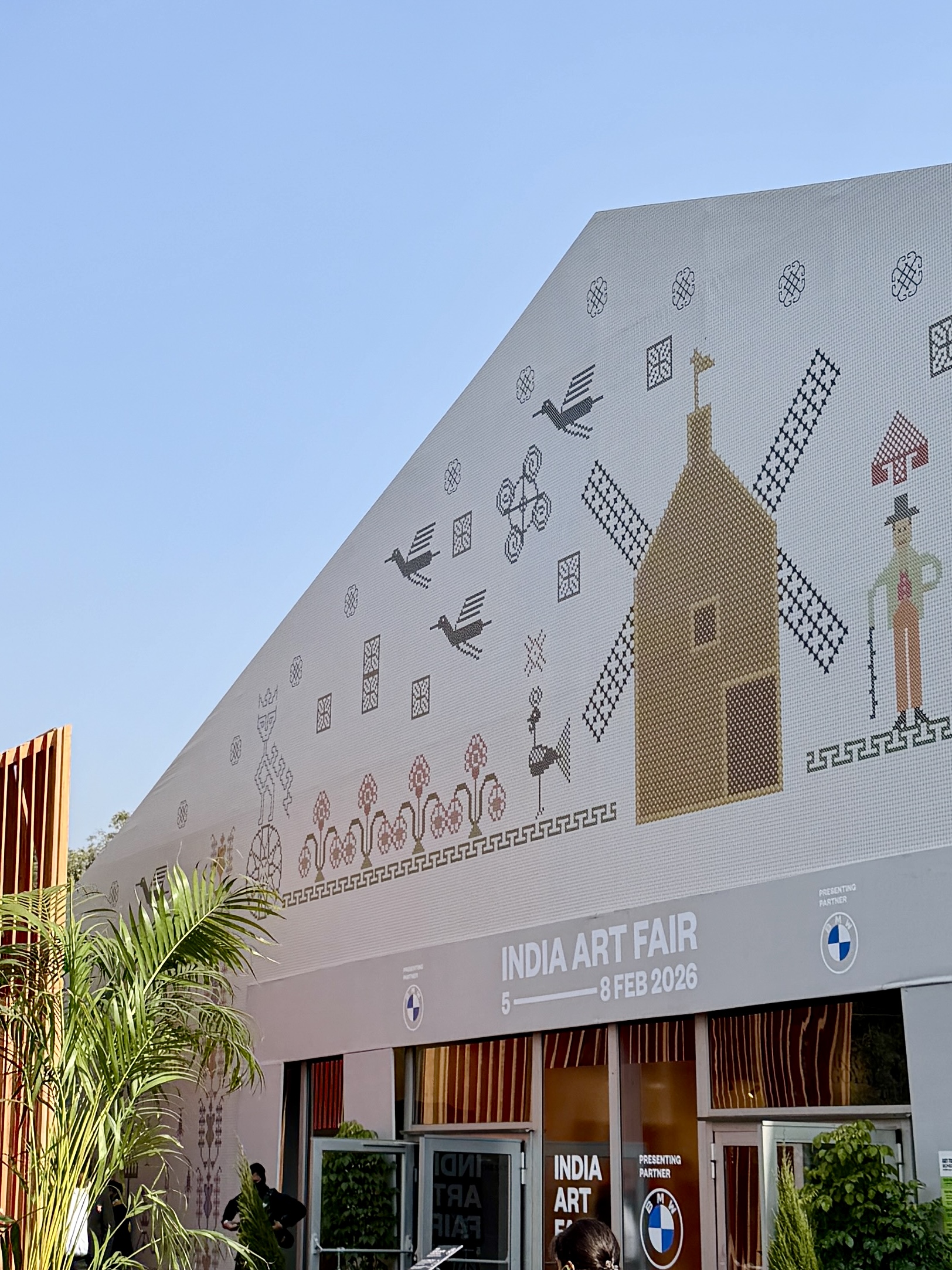
Art fairs have become important spaces for understanding how collectors think, choose and engage with the wider art world. These events bring together artists, institutions, collectors and curators, offering a clear view of art fair trends and the shifting patterns that guide art collector behavior.
Art fairs often reveal artistic ideas before they enter wider conversations. New themes, unfamiliar materials and younger voices appear here with confidence. Collectors observe what feels fresh, what repeats itself and what carries depth. This early insight is valuable because it hints at future movements within the broader art market.
An art fair becomes a preview of tomorrow’s art market insights.
The way viewers respond to certain booths or return repeatedly to specific works offers a quiet understanding of art buying patterns. Trends start with small patterns of attention that gradually become collective choices.
Art fairs place modern masters and contemporary artists in conversation with each other. A viewer may encounter an early abstraction by VS Gaitonde followed only a few steps later by a contemporary installation from an artist like Ayesha Singh, who works with ideas of structure, urban memory and shifting cultural landscapes.
Seeing these works side by side helps collectors understand how artistic thought has evolved from quiet introspection to more layered, present day expression. It also reveals how different generations respond to the world with their own visual language.
Recent fairs in India reflect a growing interest in art shaped by regional stories and cultural memory. Works rooted in landscape, craft, identity and community draw strong attention. Collectors look for authenticity and a sense of place. They respond to art that carries emotional truth rather than only visual appeal.
Regional identity is emerging as a powerful influence on collector direction.
Although collecting is rooted in emotion, art fairs also reveal economic signals within the market. Interest around certain artists, the presence of major institutions and the visibility of specific movements help collectors understand long term direction.
Art fairs provide a nuanced window into art market insights.
With the scale of an art fair, perspective becomes essential. So many works, voices and ideas appear at once that thoughtful curation helps separate lasting relevance from momentary visibility. Vara Collective observes these movements closely. It studies artistic development, cultural shifts and evolving collector choices, offering clarity to those who seek depth rather than scale.
Art fairs influence collector thinking because they combine emotion, access and informed insight. They allow viewers to experience the breadth of artistic expression, understand the pulse of the market and recognise ideas that carry long term significance. For a collector, an art fair is not simply an event. It is a learning space where instinct sharpens, taste evolves and direction becomes clearer.
February 12, 2026
“Art washes from the soul the dust of everyday life.” – Pablo Picasso The wonder of experiencing and engaging with art can feel elusive, even exclusionary. Many imagine it as belonging only to the realm of the select few “in the know,” fluent in the language of art. For […]
Navigating the art world can be daunting. Prices aren’t always transparent, authenticity can be difficult to confirm, and opportunities often circulate in exclusive circles. For both seasoned collectors and first-time buyers, one question often arises: how do I make the right choices with confidence? This is where an art advisory […]
Buying art is an experience that blends passion, curiosity, and investment. For some collectors, it’s about building a meaningful connection with a work that inspires and resonates. For others, it’s about adding a valuable asset to their portfolio that they may appreciate over time. Whatever your motivation, one fact remains […]