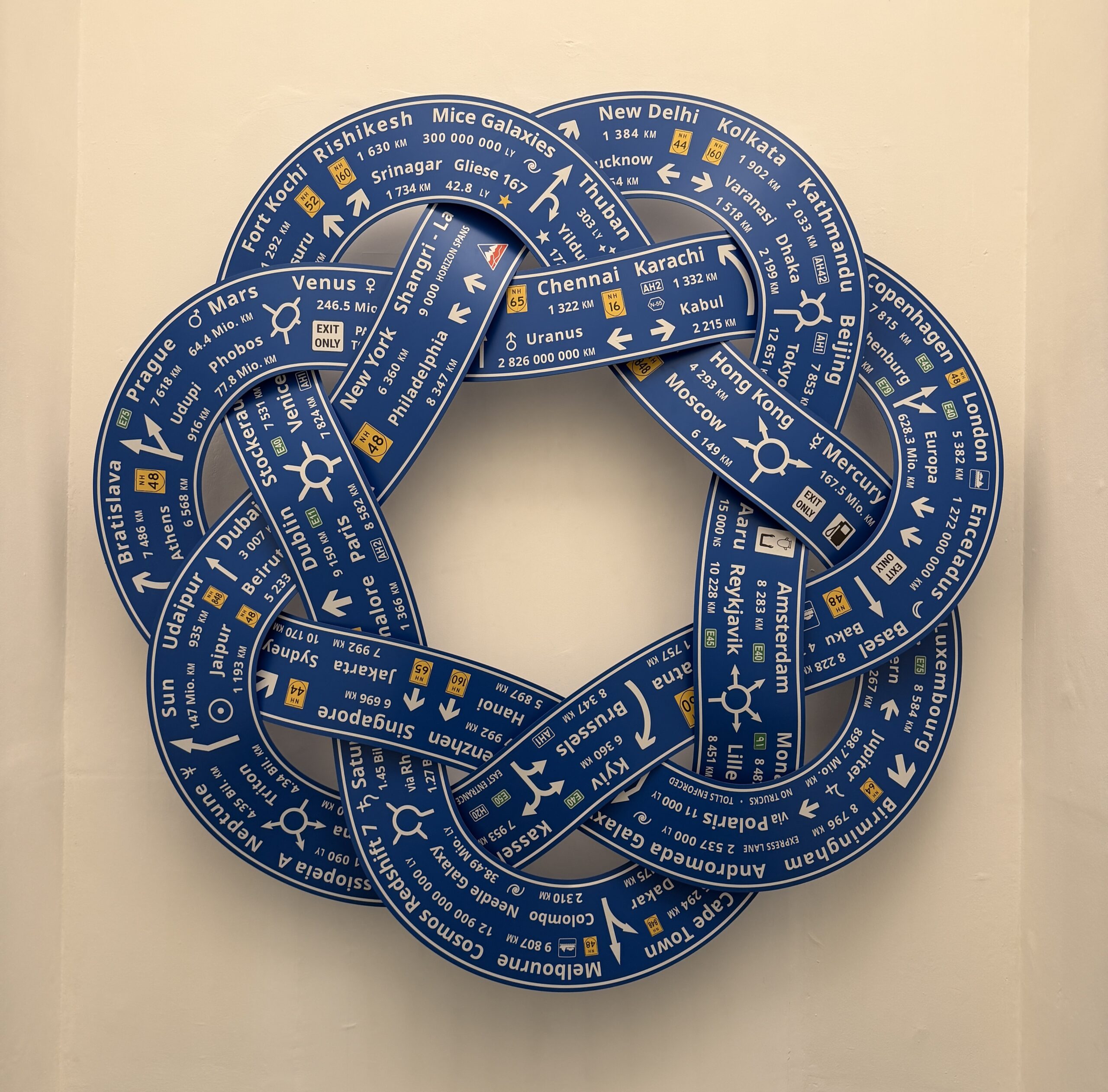
Contemporary art is not merely a label for works created in the present; it is a dynamic reflection of the zeitgeist. It functions as dialogue, addressing complex sociopolitical, cultural, and technological landscapes of the late 20th and 21st centuries. Rather than adhering to a singular aesthetic, contemporary artists navigate a world of shifting paradigms, engaging with concerns, questions and experiences of today, with intellectual curiosity and innovation.
Etymologically, “contemporary” simply means that which exists “with time.” In the art world, this period generally describes works produced from the late twentieth century to the current day. The defining factor is not any specific medium but by the ideas and questions explored through these artworks. They often respond to modern life, global conversations and individual perspectives.
By focusing on relevance rather than tradition, artists frequently tackle themes that challenge how we see reality. You will often see topics like identity, the environment, memory, migration, and social change at the heart of contemporary visual art.
Historically, art movements like the Renaissance or Impressionism were defined by cohesive visual methodologies and stylistic boundaries. Contemporary art, however, resists such categorization.
A defining feature of contemporary art is the freedom to work with diverse materials. While traditional materials remain relevant, artists frequently employ non-conventional materials such as found objects, biological matter, or digital code to communicate their intent.
The chosen material often becomes part of the message. A work may communicate through texture, scale or unconventional form. This openness allows contemporary art to remain dynamic and constantly evolving.
Many Indian artists contribute important perspectives to contemporary art today. One example is Bharti Kher, whose work often explores identity, culture and the complexity of modern life. Through sculpture, painting and mixed materials, her practice examines how personal and collective histories shape the present.
Artists such as Kher demonstrate how contemporary art can connect local narratives with wider global conversations.
Ultimately, contemporary art helps society reflect on its present condition. It records ideas, anxieties and hopes that define the current moment. By responding to lived experiences, artists contribute to cultural dialogue that shapes how people understand their surroundings.
The value of this art isn’t just in how it looks, but in the new perspectives it introduces. It doesn’t always provide easy answers; instead, it encourages us to ask deeper questions.
March 12, 2026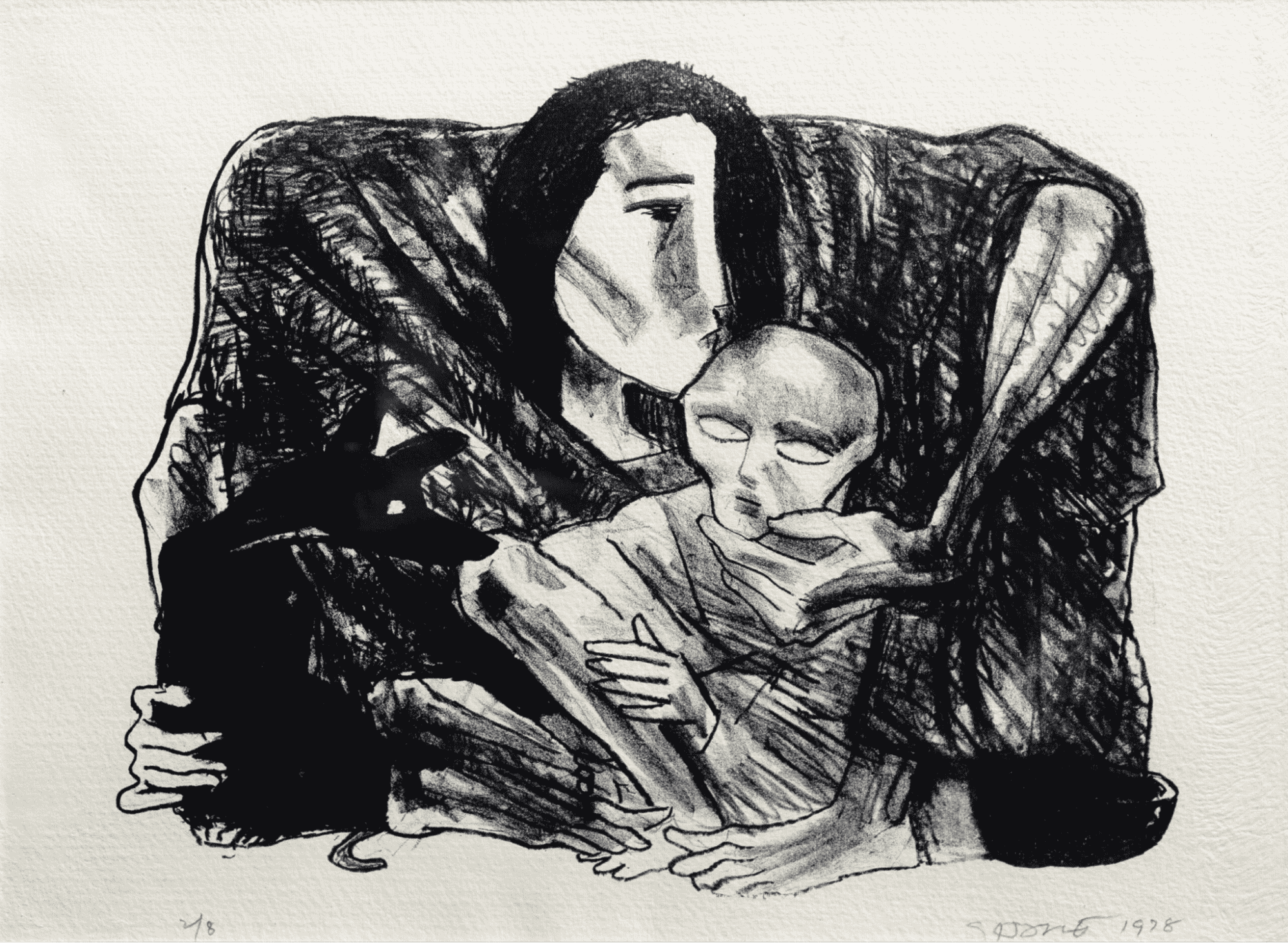
“Art washes from the soul the dust of everyday life.” – Pablo Picasso The wonder of experiencing and engaging with art can feel elusive, even exclusionary. Many imagine it as belonging only to the realm of the select few “in the know,” fluent in the language of art. For […]
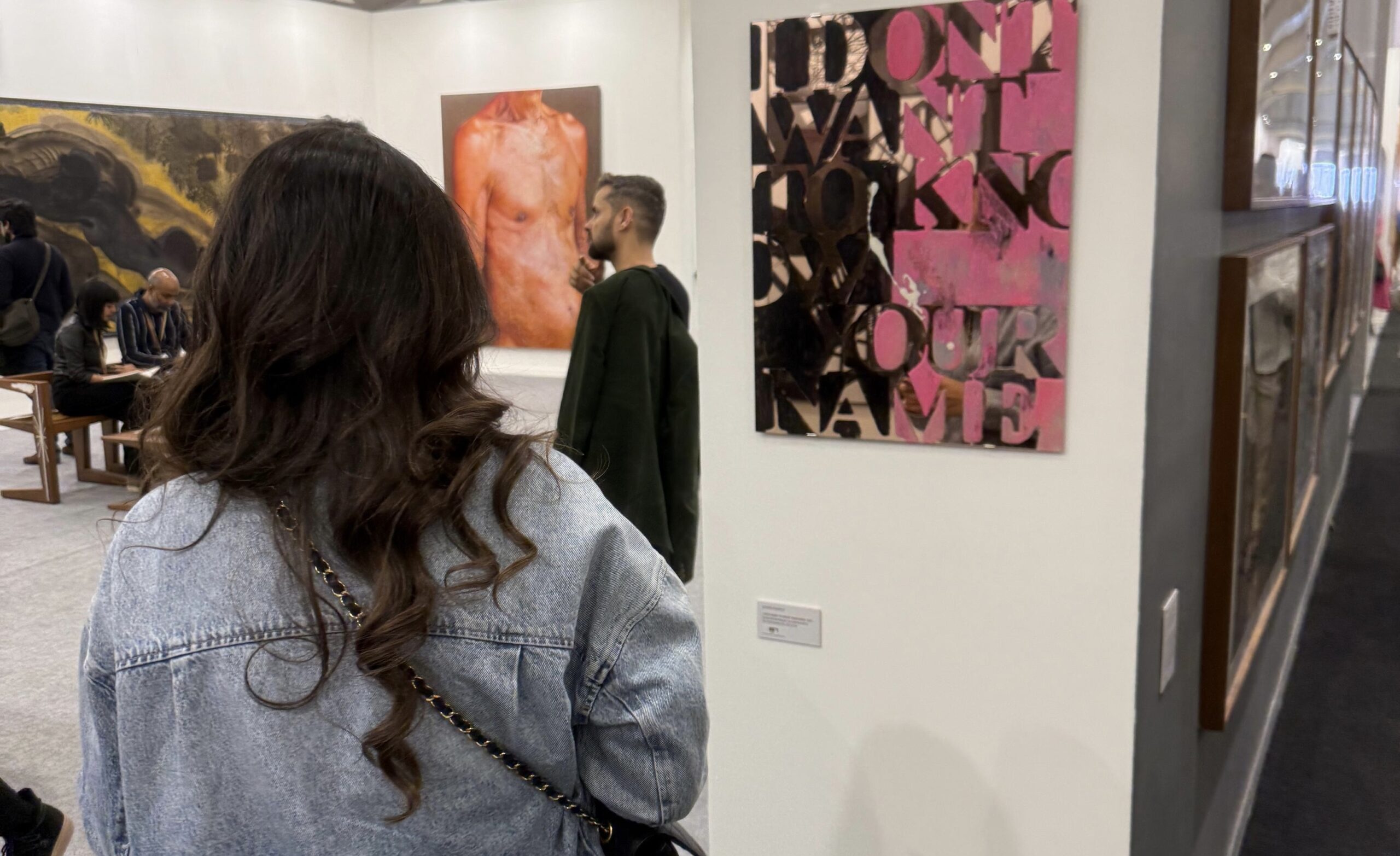
Navigating the art world can be daunting. Prices aren’t always transparent, authenticity can be difficult to confirm, and opportunities often circulate in exclusive circles. For both seasoned collectors and first-time buyers, one question often arises: how do I make the right choices with confidence? This is where an art advisory […]
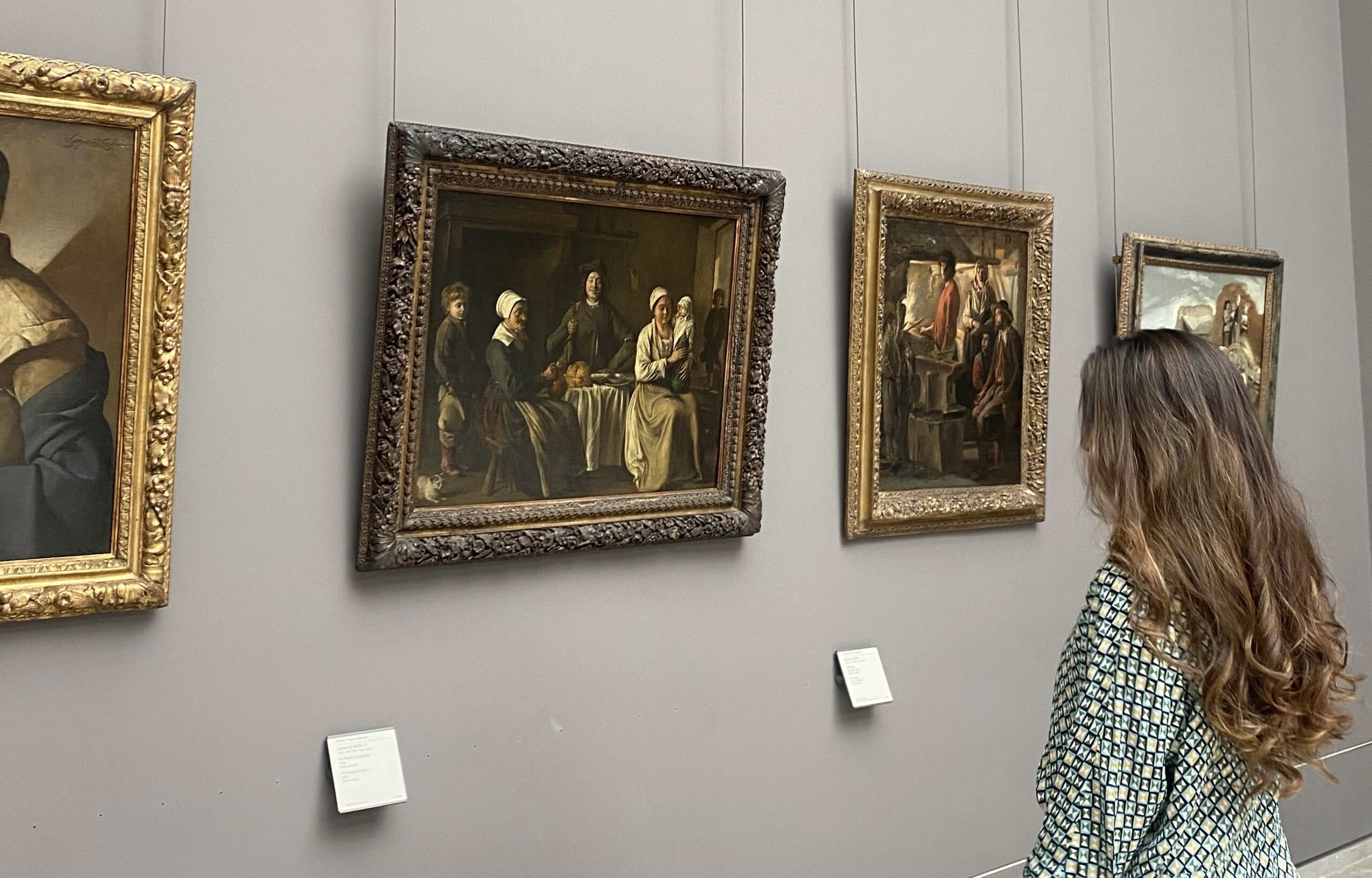
Buying art is an experience that blends passion, curiosity, and investment. For some collectors, it’s about building a meaningful connection with a work that inspires and resonates. For others, it’s about adding a valuable asset to their portfolio that they may appreciate over time. Whatever your motivation, one fact remains […]