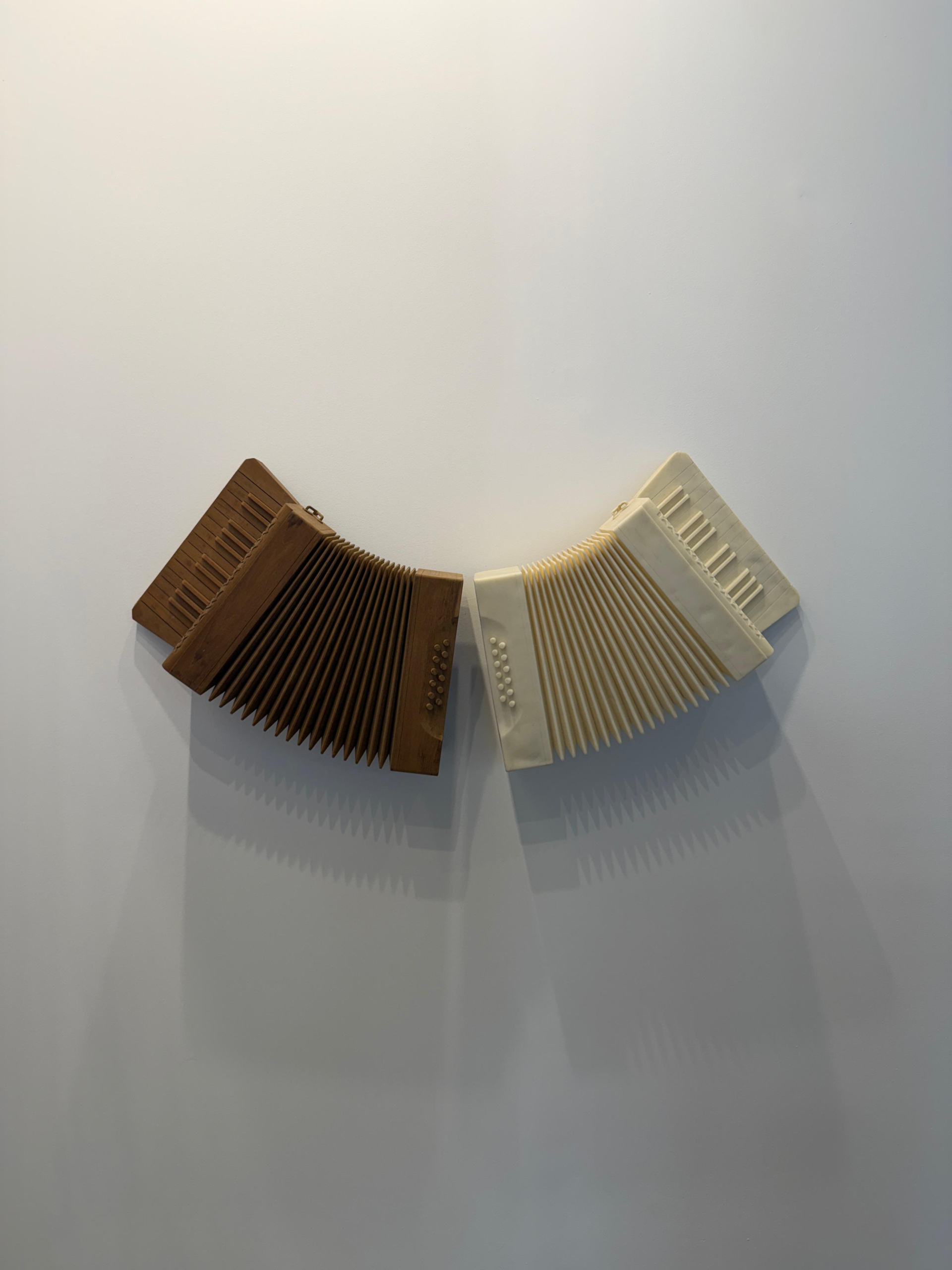
Contemporary art often begins with an idea rather than an image. Artists today approach their work by exploring questions, observations and reflections about the world around them. This shift has led to the growing importance of conceptual thinking in contemporary art.
It repositions meaning at the centre of artistic practice. Rather than prioritizing technical mastery or aesthetic style, the artist begins with a central theme, observation, or inquiry. The physical artwork is not the end goal itself; it is the vessel used to communicate that underlying thought. Conceptual thinking expands the possibilities of what art can communicate.
The roots of this movement took hold in the late 20th century. During this period many artists began to question the traditional idea of art as an object defined by craftsmanship alone. Artists started to explore social realities, cultural identity and personal experience through ideas rather than visual spectacle. This shift allowed art to become a platform for discussion and reflection.
Over time this approach became an important part of contemporary artistic practice.
In contemporary conceptual art, the idea dictates the medium. Because the process is guided by a thought, the final manifestation is incredibly diverse. A single concept might eventually take the form of:
This flexibility ensures that art remains a living, breathing response to our ever-changing cultural climate.
Conceptual art shifts the responsibility of meaning-making onto the audience. Some works may appear simple at first glance, yet their meaning unfolds through context and interpretation. The viewer becomes part of the dialogue between idea and form. This engagement encourages curiosity and deeper understanding. Conceptual art therefore transforms viewing into an active experience.
Many contemporary Indian artists work with strong conceptual foundations. One example is Shilpa Gupta who uses her practice to examine the invisible lines that divide people, whether they are physical borders, social prejudices, or digital censorship. Unlike artists who focus on static objects, Gupta often incorporates interactive elements, sound, and light to make her concepts tangible. One of her most profound works, For, In Your Tongue, I Cannot Fit, features 100 microphones suspended over 100 metal spikes, each piercing a page inscribed with poetry by writers who were prosecuted for their beliefs. The microphones play an audio loop of these verses. By placing the audience in the middle of such an installation, she transforms them from passive observers into witnesses, making the conceptual experience both deeply personal and globally relevant.
The rise of conceptual thinking reflects the complexity of the contemporary world. Artists use ideas to explore identity, society, memory and change. By placing thought at the centre of artistic practice, contemporary art expands its role beyond visual pleasure. It becomes a space where ideas are examined and shared.
March 24, 2026
“Art washes from the soul the dust of everyday life.” – Pablo Picasso The wonder of experiencing and engaging with art can feel elusive, even exclusionary. Many imagine it as belonging only to the realm of the select few “in the know,” fluent in the language of art. For […]
Navigating the art world can be daunting. Prices aren’t always transparent, authenticity can be difficult to confirm, and opportunities often circulate in exclusive circles. For both seasoned collectors and first-time buyers, one question often arises: how do I make the right choices with confidence? This is where an art advisory […]
Buying art is an experience that blends passion, curiosity, and investment. For some collectors, it’s about building a meaningful connection with a work that inspires and resonates. For others, it’s about adding a valuable asset to their portfolio that they may appreciate over time. Whatever your motivation, one fact remains […]