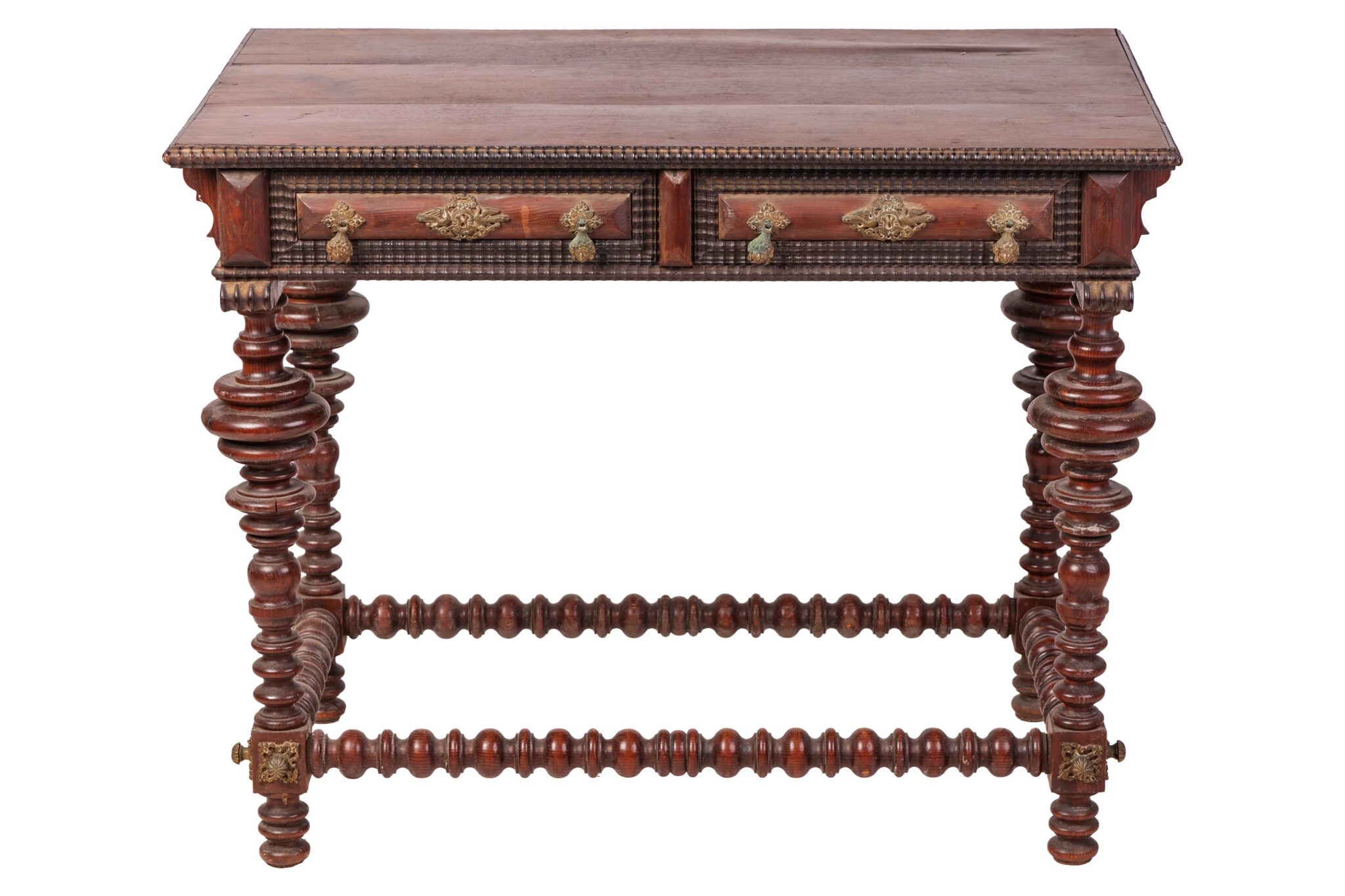
Indo-Portuguese furniture reflects a long history of cultural exchange shaped through trade, craftsmanship and adaptation. As Portuguese influence reached the western coast of India during the sixteenth century, local artisans began interpreting European furniture forms through Indian materials and decorative traditions. Over time these objects developed a distinct identity that belonged fully to neither tradition alone.
The legacy of Indo-Portuguese furniture therefore lies not only in appearance, but also in the way different artistic worlds gradually merged through craftsmanship.
Portuguese furniture introduced new forms into Indian domestic spaces. Cabinets, writing desks, and high backed chairs slowly became part of interiors influenced by maritime trade and coastal settlements.
Indian craftsmen responded by reshaping these forms through local techniques and materials. Teak and rosewood replaced softer European woods, allowing greater depth in carving and stronger structural presence. Floral ornamentation, lattice work and intricate borders began appearing alongside European architectural detailing.
Rather than imitation, the furniture evolved through reinterpretation.
Material remains central to the identity of Indo-Portuguese furniture. Teak in particular became closely associated with these pieces because of its durability and rich tonal character. With time the wood developed softness, patina and visible texture that cannot be artificially replicated.
Beyond the wood, the inclusion of hand-forged brass fittings, elaborate iron hinges, and intricate ivory or bone inlay introduces layers of tactile history. Small irregularities within the carving and joinery are highly prized, as they preserve the visible evidence of the artisan’s hand and the pre-industrial processes used to create them.
These surfaces carry a sense of age without feeling distant from contemporary interiors.
Religious life was a cornerstone of the Portuguese empire, and this was heavily reflected in the furniture of the era. Indo-Portuguese craftsmanship shines remarkably in devotional objects like a portable altar, sacristy cabinets, and intricately carved chests.
These pieces often featured architectural detailing – such as turned columns, arches, and lattice work – that mirrored the grand baroque churches being built in Goa. The brilliance of these pieces lies in their layered visual language: a Catholic saint might be framed by a border of lotus flowers, demonstrating how Indian artisans naturally integrated their own spiritual and artistic vocabulary into European commissions.
Today, Indo-Portuguese furniture continues to resonate because it brings historical gravity into contemporary spaces without feeling rigid or archaic. A 17th-century carved cabinet or a brass-bound chest anchors a room through its material presence and profound history, surviving not just as antique design, but as a living record of a world in transition.
May 25, 2026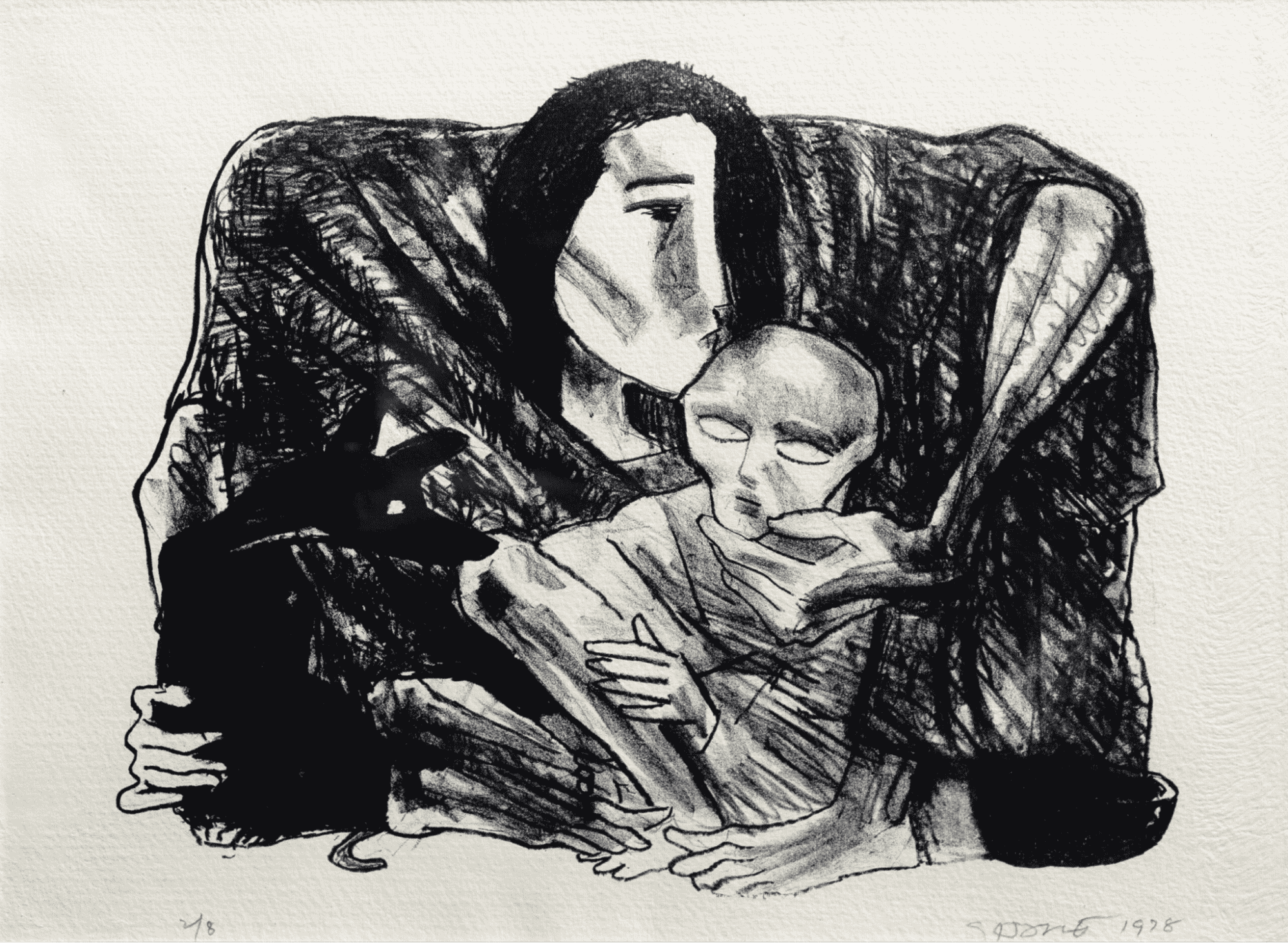
“Art washes from the soul the dust of everyday life.” – Pablo Picasso The wonder of experiencing and engaging with art can feel elusive, even exclusionary. Many imagine it as belonging only to the realm of the select few “in the know,” fluent in the language of art. For […]
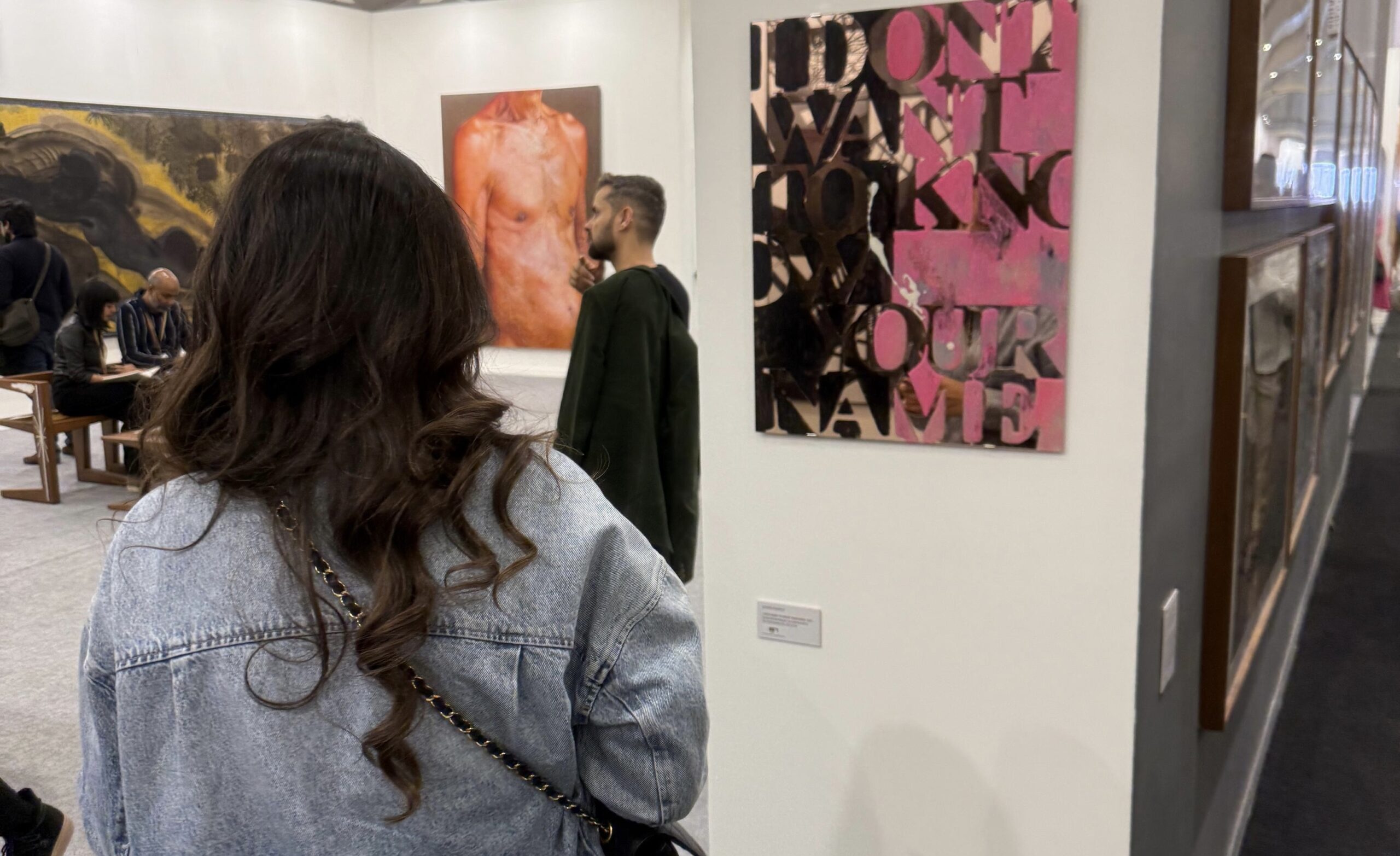
Navigating the art world can be daunting. Prices aren’t always transparent, authenticity can be difficult to confirm, and opportunities often circulate in exclusive circles. For both seasoned collectors and first-time buyers, one question often arises: how do I make the right choices with confidence? This is where an art advisory […]
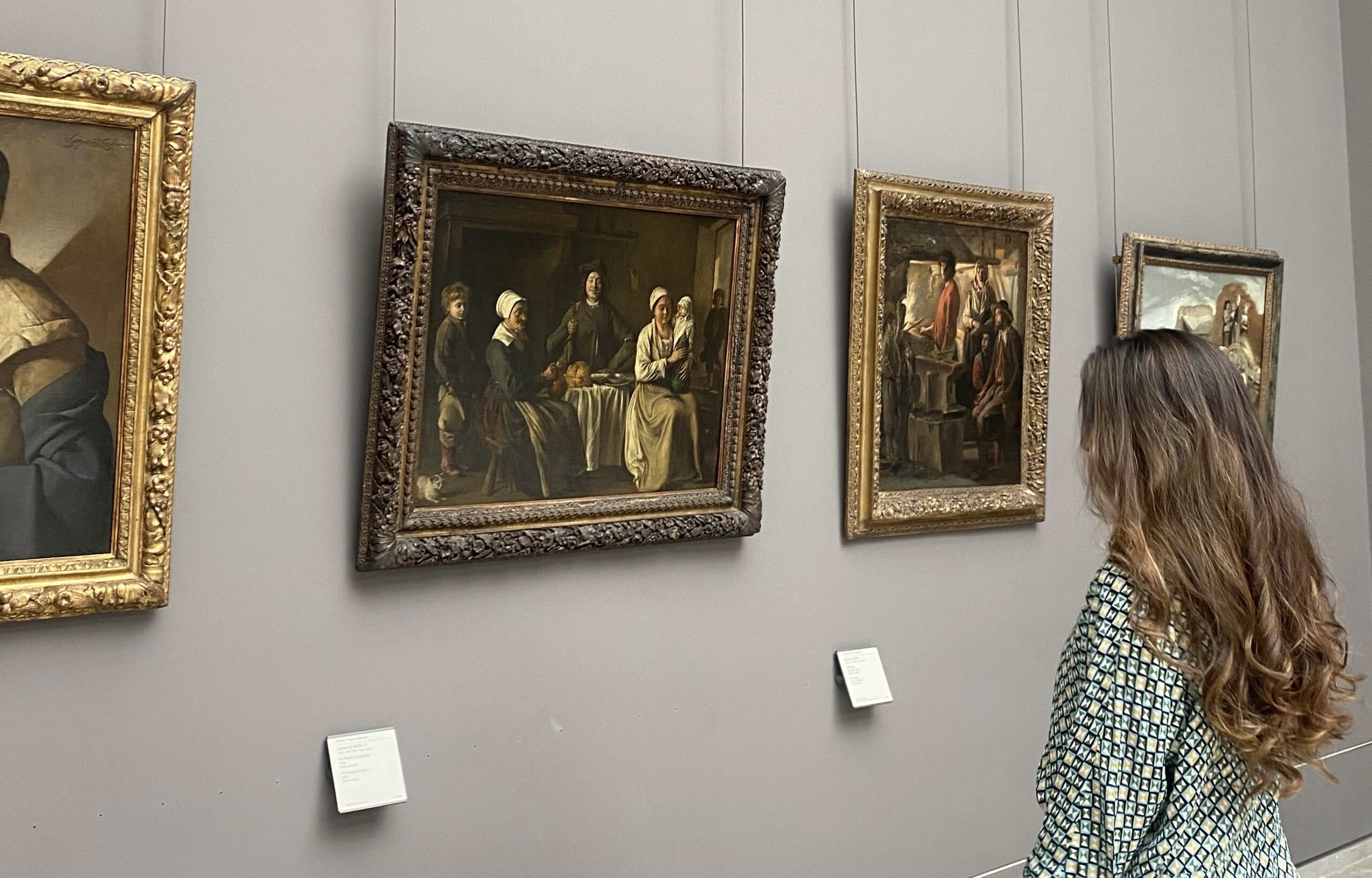
Buying art is an experience that blends passion, curiosity, and investment. For some collectors, it’s about building a meaningful connection with a work that inspires and resonates. For others, it’s about adding a valuable asset to their portfolio that they may appreciate over time. Whatever your motivation, one fact remains […]