
The valuation of contemporary art often appears enigmatic to the casual observer, particularly when two seemingly similar works command vastly different prices. To understand these discrepancies, one must look beyond the surface of the work and analyze the complex interplay of cultural capital, market dynamics, and historical significance.
In the contemporary art world, price is rarely arbitrary; it is a calculated reflection of an artist’s professional trajectory and the work’s positioning within a global ecosystem.
One of the most important factors affecting contemporary art prices is the reputation of the artist. Artists who have developed a strong body of work and received recognition through exhibitions, critical writing and institutional collections often command higher prices.
Reputation grows over time through consistent artistic practice. Collectors and institutions pay attention to an artist’s journey, the evolution of ideas and the influence of the work within the broader art community.
The “biography” of an artwork, where it has been seen and who has endorsed it, is crucial. When artists participate in respected exhibitions, biennales or museum shows, their work gains visibility and credibility.
Institutional collections also play a role:
This recognition often contributes to stronger confidence in the artist’s market.
The number of works available from an artist can affect pricing. Limited availability often increases demand, particularly when collectors recognise the significance of the artist’s practice. Some artists produce fewer works each year due to the scale or complexity of their process. This naturally influences how their artworks are valued within the market.
Each artwork also carries its own importance within an artist’s body of work. Certain pieces represent key moments in the artist’s development or reflect particularly strong ideas and execution.
For instance, works by Somnath Hore are valued not only for their visual language but also for the powerful historical context they represent. His prints and sculptural forms, shaped by experiences of famine and social struggle, hold deep emotional and cultural significance. Such depth of meaning often contributes to the lasting value collectors associate with the work.
While “merit” is a scholarly concern, market demand is driven by collector interest and visibility. Trends can be sparked by critical writing, significant auction results, or influential gallery representation. As awareness increases, so does the market value associated with the work.
Furthermore, the provenance (the history of ownership) and the physical condition of the work provide essential security. A clear chain of ownership and a well-preserved state ensure authenticity and protect the buyer’s capital.
While price reflects market factors, the value of contemporary art is not purely financial. Many collectors are drawn to art because of the ideas, emotions and cultural conversations it represents.
A work of art can hold intellectual and emotional value that extends far beyond its market price.
March 10, 2026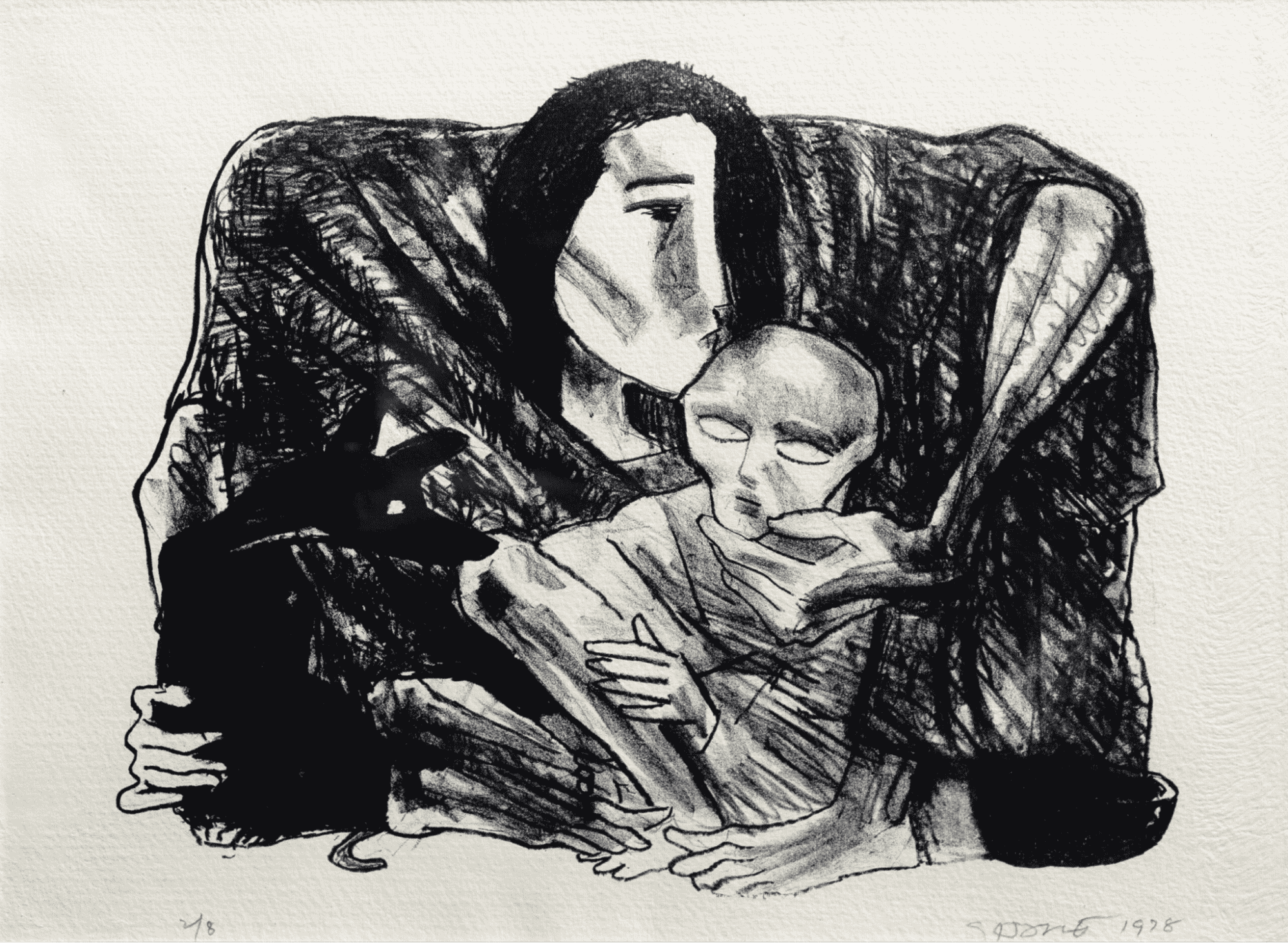
“Art washes from the soul the dust of everyday life.” – Pablo Picasso The wonder of experiencing and engaging with art can feel elusive, even exclusionary. Many imagine it as belonging only to the realm of the select few “in the know,” fluent in the language of art. For […]

Navigating the art world can be daunting. Prices aren’t always transparent, authenticity can be difficult to confirm, and opportunities often circulate in exclusive circles. For both seasoned collectors and first-time buyers, one question often arises: how do I make the right choices with confidence? This is where an art advisory […]
Buying art is an experience that blends passion, curiosity, and investment. For some collectors, it’s about building a meaningful connection with a work that inspires and resonates. For others, it’s about adding a valuable asset to their portfolio that they may appreciate over time. Whatever your motivation, one fact remains […]