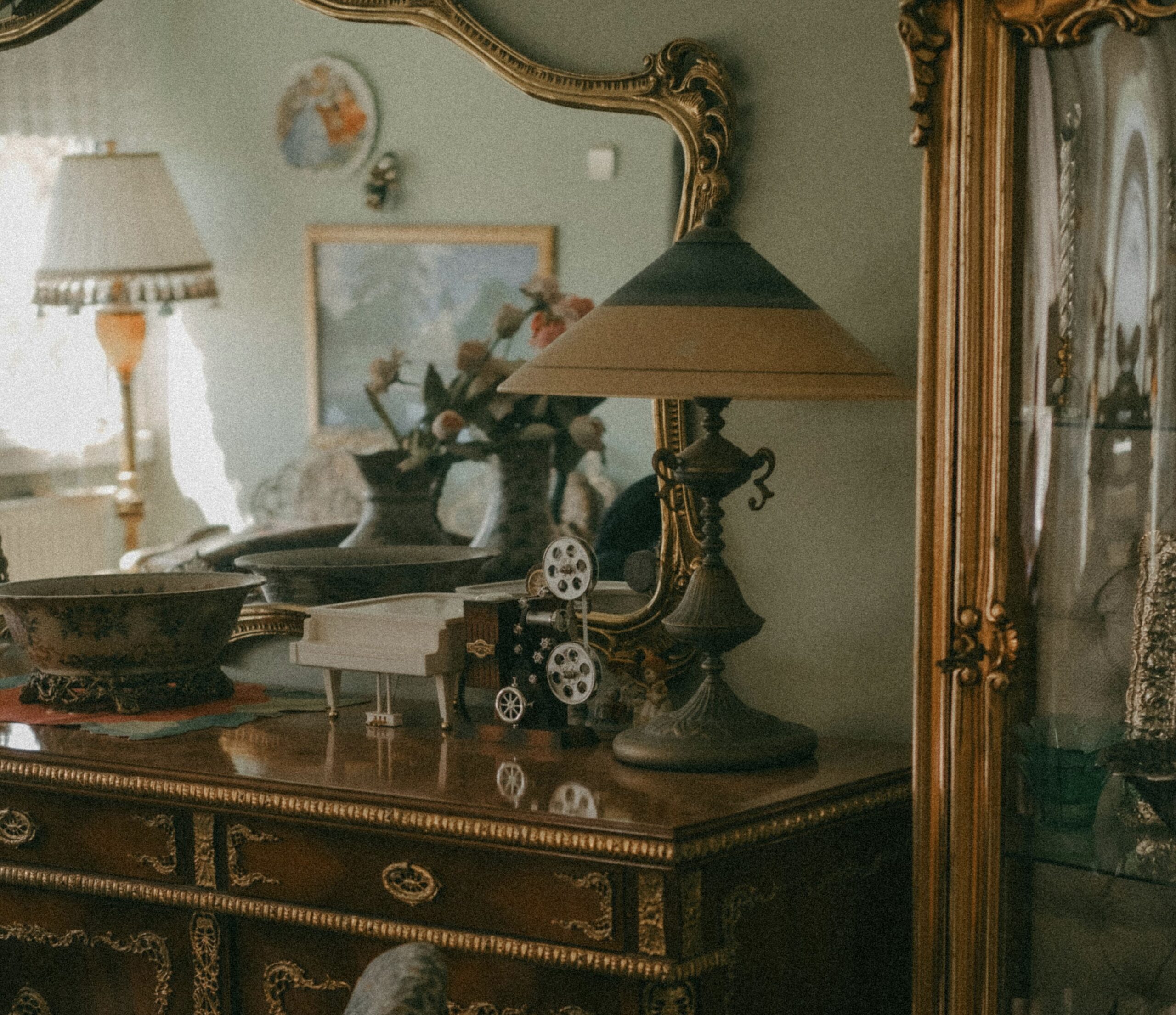
Artful living is the practice of shaping a home with intention, choosing pieces that express character, reflect personal values, and create an environment that feels richly layered. Decorative furniture, and Fine Art all play distinct yet interconnected roles in this process. When selected with care and placed with clarity, they transform everyday rooms into spaces filled with depth, nuance, and meaning.
Decorative Art introduces presence without demanding attention. It adds texture, rhythm, and emotion to the home. Fine Art, in contrast, often becomes an anchor, offering a moment of focus, a mood, or a visual dialogue that elevates the energy of a room. Together, these elements build interiors that feel considered, expressive, and alive.
Both Decorative and Fine Art carry cultural narratives, often rooted in region, tradition, and material. A nineteenth-century Hoshiarpur mirror or an Early Bengal Painting from our collection, for example, showcases the intricacies of Indian craftsmanship and the traces of early colonial influence. Its surface and detailing bring history into a room in a way that feels organic rather than staged.
One of the most refined ways to bring Decorative and Fine Art into harmony is by allowing pieces from different eras and sensibilities to speak to one another. A mid-twentieth century object, known for its calm lines and warm wood, can sit comfortably beside contemporary fine art that introduces bold colour or conceptual depth.
This meeting of eras creates a cultural exchange. The past brings familiarity and memory, while the present adds freshness and direction. Together they build a space that feels layered rather than styled.
Objects and art can be arranged to form a gentle narrative throughout the home. Instead of grouping pieces in one area, consider how each element contributes to the larger journey from room to room.
A sculptural console object near the entry establishes the first impression. A painting along a passageway shifts the tone with a new palette or gesture. A refined decorative piece in the living area concludes the sequence with calm. Through placement, the home becomes a curated experience rather than a collection of objects.
The most elegant interiors are shaped not only by what is present but also by what is intentionally left open. Negative space provides the necessary room to breathe and observe.
An unfilled stretch of wall strengthens the impact of a painting beside it. A clear area around a decorative furniture piece highlights its sculptural silhouette. This restraint allows each object to stand with clarity rather than compete for attention.
Art can be chosen not just for its visual appeal but for the feelings it carries and imparts. A soothing artwork near the entry can set a tone of calm. A bold sculptural object in the living room can add conviction and energy. A piece with personal significance, perhaps a painting linked to memory, or a handcrafted object passed down over generations, can create intimacy in quiet corners.
These intentional choices bring emotional depth that transcends aesthetics. They help a home reflect its residents rather than current trends.
Light is a vital partner in how furniture and art are experienced. Morning light may reveal the grain of wood or the subtle texture of a canvas. Evening light warms brass, stone, and pigments. Shadows add movement to carvings, textiles, and sculptural forms.
Treat light as an element of design. It can highlight qualities that remain unnoticed under uniform illumination and offer each piece a shifting personality throughout the day.
When thoughtfully combined, fine art and decorative objects bring clarity and character to a room. They turn everyday spaces into environments that feel personal, meaningful, and lived-in.
November 24, 2025
“Art washes from the soul the dust of everyday life.” – Pablo Picasso The wonder of experiencing and engaging with art can feel elusive, even exclusionary. Many imagine it as belonging only to the realm of the select few “in the know,” fluent in the language of art. For […]

Navigating the art world can be daunting. Prices aren’t always transparent, authenticity can be difficult to confirm, and opportunities often circulate in exclusive circles. For both seasoned collectors and first-time buyers, one question often arises: how do I make the right choices with confidence? This is where an art advisory […]
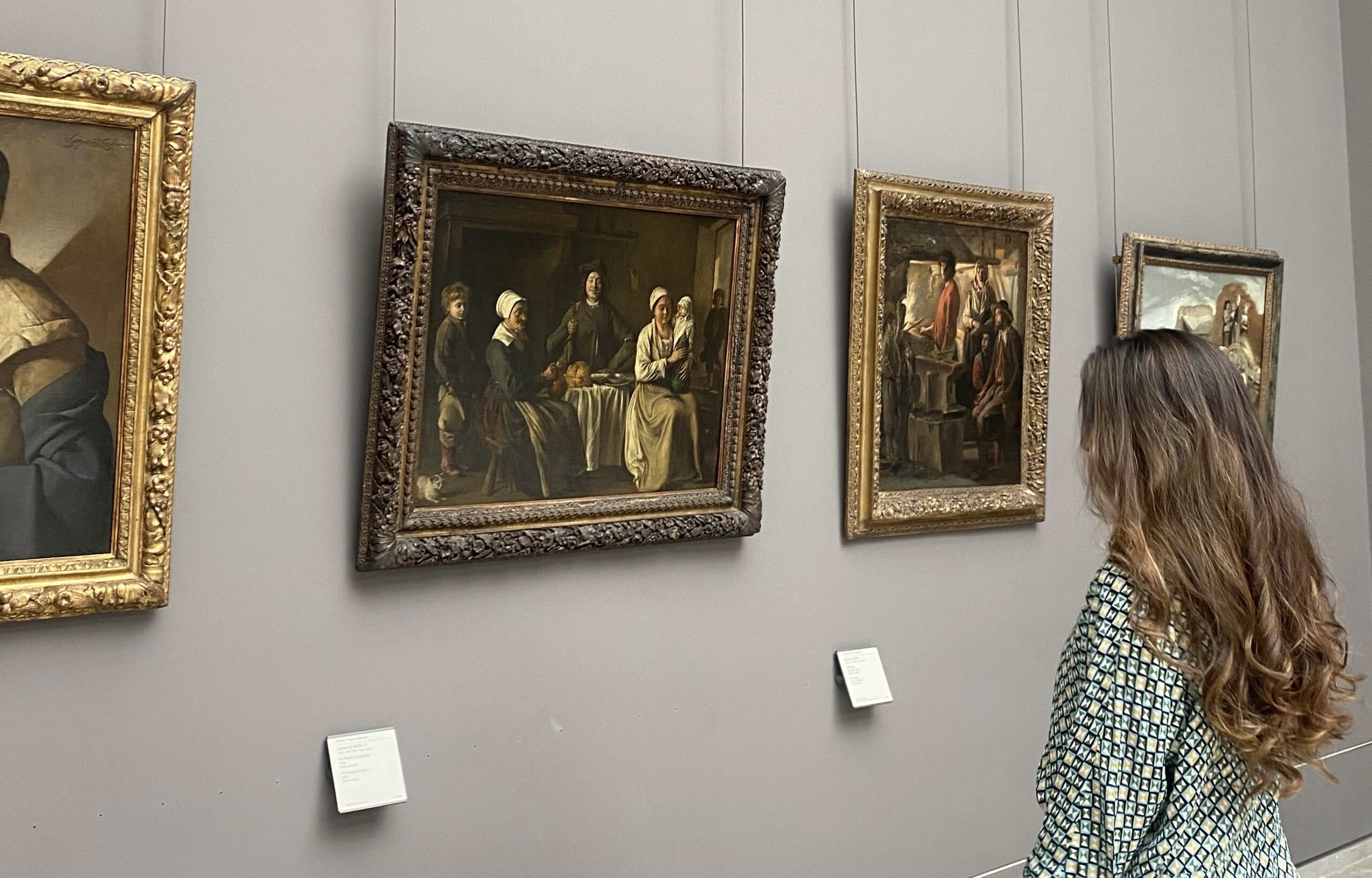
Buying art is an experience that blends passion, curiosity, and investment. For some collectors, it’s about building a meaningful connection with a work that inspires and resonates. For others, it’s about adding a valuable asset to their portfolio that they may appreciate over time. Whatever your motivation, one fact remains […]